
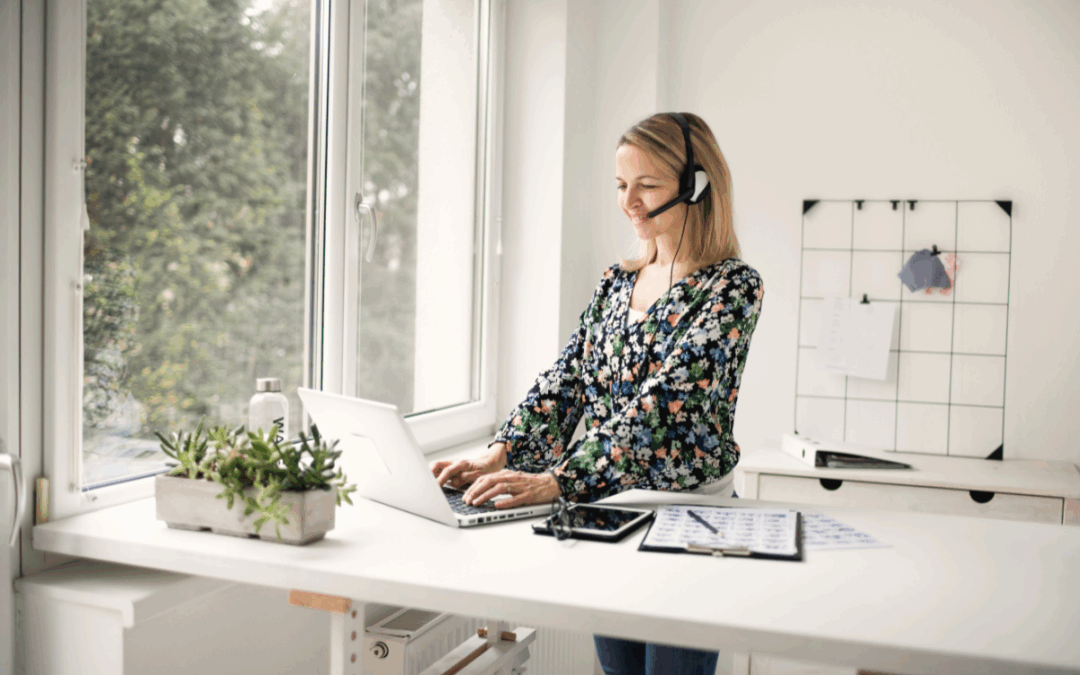
In today’s fast-paced and increasingly sedentary work environment, the traditional office setup often involves long hours of sitting, which can lead to various health issues. The movement towards standing while working is gaining traction as a solution to combat the negative effects of prolonged sitting. Standing desks and adjustable workstations allow individuals to incorporate movement into their daily routines, promoting better health and well-being.
This shift not only addresses physical concerns but also enhances productivity and fosters a more dynamic work culture. As more organizations recognize the value of standing while working, employees are discovering the numerous benefits it can bring to their overall lifestyle, from improved posture and energy levels to better mood and focus. Exploring these advantages reveals how standing workspaces can transform not only individual health but the overall workplace environment.
Improved Posture
Standing while working encourages better posture. When individuals stand, they tend to align their spine more naturally, reducing the risk of slouching that often occurs when sitting. This alignment helps maintain the natural curves of the spine, minimizing undue stress on the back and neck. Improved posture can lead to fewer occurrences of chronic pain, such as lower back pain and neck strain.
Increased Energy Levels
People often report higher energy levels when standing at work. Standing can promote better blood circulation, which helps deliver oxygen and nutrients to muscles and organs, enhancing overall energy. This increase in energy can lead to improved focus and concentration, enabling employees to maintain productivity throughout the day without the midday slump that often accompanies long hours of sitting.
Enhanced Metabolism
Standing burns more calories compared to sitting. The difference might not seem significant at first glance, but over time, the additional calories burned can contribute to weight management and overall metabolic health. Research suggests that standing can help maintain a healthier body weight and may even help reduce body fat over time, as it encourages more physical movement throughout the day.
Reduced Risk of Chronic Diseases
Prolonged sitting has been linked to numerous health issues, including obesity, cardiovascular disease, and type 2 diabetes. By incorporating standing into the workday, individuals may reduce their risk of these chronic conditions. Standing encourages movement, which is crucial for maintaining good health. Regularly changing positions can also help regulate blood sugar levels, particularly after meals.
Improved Mood and Mental Well-being
There is evidence to suggest that standing desks can improve mood and overall mental well-being. When individuals are active, their bodies release endorphins, which can enhance mood and reduce feelings of stress and anxiety. A standing work environment can contribute to a more positive workplace atmosphere, which may improve employee satisfaction and morale.

Increased Productivity
Many workers find that standing while working can lead to enhanced productivity. The act of standing can promote alertness and focus, allowing individuals to complete tasks more efficiently. Additionally, standing desks often encourage people to take breaks and move around more, which can lead to bursts of creativity and better problem-solving skills.
Strengthened Core Muscles
Standing while working requires the engagement of core muscles to maintain balance and stability. This engagement can lead to strengthened abdominal and back muscles over time, contributing to an overall stronger core. A strong core is crucial for supporting the spine and reducing the likelihood of injuries, particularly those related to poor posture and movement.
Social Interaction and Collaboration
Standing desks can facilitate more interaction among coworkers. When people are standing, they are often more approachable, leading to spontaneous conversations and collaboration. This social interaction can foster a sense of community and teamwork, which is essential for a positive workplace culture.
Flexibility and Movement Opportunities
Standing desks often allow for more dynamic movement than traditional desks. Employees can easily shift their weight, move around their workspace, or even incorporate light exercises throughout the day. Having the opportunity to move more freely can help develop flexibility which can help combat the stiffness and discomfort that can develop from sitting for extended periods.
Reduced Risk of Musculoskeletal Disorders
Musculoskeletal disorders (MSDs) are common among individuals who spend long hours sitting. These disorders encompass a range of conditions affecting muscles, nerves, and tendons. Standing while working can decrease the strain placed on these areas, reducing the risk of developing MSDs. The ability to alternate between sitting and standing can also provide relief from discomfort associated with extended periods of one position.
Enhanced Focus on Tasks
Standing while working can create a sense of urgency and focus when working on tasks. The physical act of standing may encourage individuals to remain engaged in their work and limit distractions. This heightened focus can improve task completion rates and enhance the quality of the work performed.
Better Circulatory Health
Standing promotes better blood circulation throughout the body. When sitting for long periods, blood flow can become restricted, leading to issues such as varicose veins and swelling in the legs. By standing, individuals can encourage healthy circulation, which can contribute to overall cardiovascular health and reduce the risk of developing various circulatory issues.
Reduced Fatigue
Standing can help reduce feelings of fatigue during the workday. When individuals stand, they are often more engaged and active, which can combat the lethargy that comes with prolonged sitting. This reduction in fatigue can lead to improved performance and a higher quality of work produced.
Encourages Quick Breaks
Standing workspaces often promote the idea of taking quick breaks and moving around. Short walks or stretches can be easily integrated into the workday, enhancing overall well-being and productivity. These breaks not only reduce the risks associated with long periods of sitting but also offer mental refreshment, helping to maintain focus and creativity.
Contributes to Workplace Creativity
Standing while working can foster creativity and innovation. The increased energy and engagement can lead to more brainstorming sessions and collaborative efforts, propelling individuals and teams to think outside the box and develop creative solutions to challenges.
Supports Team Collaboration
Standing workspaces can facilitate team collaboration and brainstorming sessions. The physical act of being on one’s feet can encourage movement and interaction, leading to more productive discussions and a stronger sense of teamwork.
Increased Awareness of Health and Fitness
When individuals choose to stand while working, it can increase their awareness of health and fitness. This awareness can lead to healthier choices outside of work, such as regular exercise, healthier eating habits, and better stress management. Employees may feel more empowered to take charge of their health and well-being.
Supports Ergonomics and Comfort
Standing desks can be designed with ergonomic features that support physical comfort. Customizable height options, anti-fatigue mats, and supportive footwear can enhance the standing experience. By prioritizing ergonomics, individuals can reduce discomfort and improve overall productivity.
Takeaway
The benefits of standing while working extend beyond mere physical health, impacting productivity, employee satisfaction, and workplace culture. As organizations increasingly adopt standing desks and encourage movement, employees experience improved posture, enhanced energy, and greater focus, leading to an overall boost in performance. The psychological advantages, such as increased motivation and job satisfaction, further enhance the workplace experience, creating a positive and collaborative environment.
Embracing a standing work style not only mitigates the risks associated with a sedentary lifestyle but also fosters a culture that prioritizes well-being and health. As awareness continues to grow about the importance of movement in the workplace, standing while working is poised to become a fundamental aspect of modern office life, benefiting both individuals and organizations alike. Adopting this practice can lead to lasting improvements in quality of life and long-term health outcomes for employees.