
 By
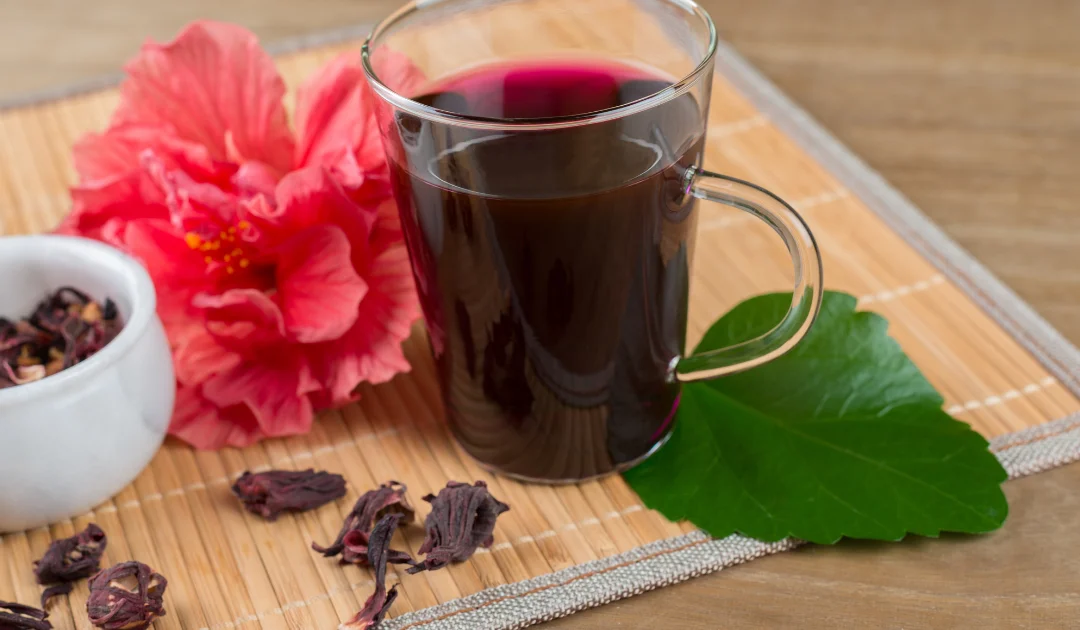
By Hibiscus tea is a popular herbal beverage made from fresh or dried flowers. Whether you’re a tea enthusiast or simply looking for a natural remedy to help manage ailments like high blood pressure, hibiscus tea might just become your new favorite go-to beverage.
In this article, we’ll explore how to make hibiscus tea from flowers and uncover the health benefits associated with this delightful drink.
Health Benefits of Drinking Hibiscus Tea
Powerhouse of antioxidants
Hibiscus tea is rich in antioxidants, which help fight off harmful free radicals in the body. These antioxidants protect cells from damage, reduce oxidative stress, and promote overall well-being.
Supports Cardiovascular health
Numerous studies have shown that hibiscus tea has a positive impact on heart health. The tea has been found to lower blood pressure and reduce bad cholesterol levels, both of which are risk factors for heart disease. Hibiscus tea also improves blood circulation and decreases the chances of developing blood clots. Drinking hibiscus tea regularly can thus help maintain a healthy cardiovascular system.
Helps in digestion
Hibiscus tea has been traditionally used to aid digestion and relieve digestive issues such as constipation, stomach pain, and bloating. Its diuretic properties can also help flush out toxins from the body.
Regular consumption of hibiscus tea can contribute to a healthy digestive system. The tea has mild laxative properties that can promote regular bowel movements and alleviate constipation. Additionally, hibiscus tea has been used as a natural remedy for various digestive issues such as indigestion, bloating, and stomach cramps. It can soothe the digestive tract and improve overall gastrointestinal function.
Boosts your immunity
Packed with vitamin C and other immune-strengthening compounds, hibiscus tea helps boost the immune system and defends against common illnesses like colds and flu. It also has antibacterial properties that may combat infections. Rich in vitamin C, hibiscus tea enhances the production of white blood cells, which are essential for fighting off infections and protecting the body against illnesses. The tea’s antioxidant properties also help strengthen the immune system by neutralizing harmful free radicals and reducing inflammation.
Helps manage your weight
For those looking to shed a few extra pounds, hibiscus tea can be a valuable addition to their weight loss journey. The tea is low in calories and acts as a natural diuretic, helping the body eliminate excess water weight. Furthermore, hibiscus tea can suppress appetite and reduce cravings, promoting feelings of fullness and aiding in portion control. Including hibiscus tea as part of a balanced diet and exercise routine can enhance weight loss efforts.
By helping to lower body mass index (BMI) and reducing excess weight, hibiscus tea may play an important role in weight management.
Anti-Inflammatory properties
Inflammation is a natural response of the body to injury or infection. However, excessive or chronic inflammation can lead to various diseases, including heart disease, diabetes, and arthritis. Hibiscus tea contains compounds that possess potent anti-inflammatory properties, which can help reduce inflammation throughout the body and alleviate associated symptoms.
Liver health
The liver is a vital organ responsible for detoxifying the body and eliminating harmful substances. Hibiscus tea has been shown to possess hepatoprotective properties, meaning it benefits liver health and protects it from damage caused by toxins. Regular consumption of hibiscus tea can help improve liver function, prevent liver diseases, and support overall liver health.
High in antioxidants
One of the standout qualities of hibiscus tea is its exceptional antioxidant content. Antioxidants are compounds that protect the body against damage caused by harmful molecules called free radicals. Hibiscus tea is particularly rich in anthocyanins, which are powerful antioxidants that give the tea its vibrant red color. Regular consumption of hibiscus tea can help reduce oxidative stress, lower the risk of chronic diseases such as heart disease and cancer, and slow down the aging process.
Supports mental health
Beyond its physical benefits, hibiscus tea can also contribute to mental well-being. The tea’s antioxidants help protect the brain from oxidative stress and damage caused by free radicals. Hibiscus tea has also been found to have neuroprotective effects, potentially reducing the risk of neurological disorders such as Alzheimer’s and Parkinson’s disease. Furthermore, the tea’s calming properties can help reduce stress, and anxiety, and promote relaxation. It may also possess antidepressant properties that help improve mood, promoting mental well-being.
Note: The health benefits of hibiscus tea are not meant to replace professional medical advice. It is always recommended to consult with a healthcare professional before making significant changes to your diet or lifestyle.
Different varieties of hibiscus flowers used for making tea
Hibiscus flowers come in various species and cultivars, each with its unique characteristics and flavor profiles. Some of the most popular varieties of hibiscus flowers used for tea include:
Hibiscus sabdariffa: Also known as Roselle, this variety is the most commonly used for making hibiscus tea. It is native to West Africa but now grown in many regions around the world. The flowers are large and vibrant, usually deep red or maroon in color. Hibiscus sabdariffa has a tart, cranberry-like flavor, making it an excellent choice for a refreshing and tangy tea.
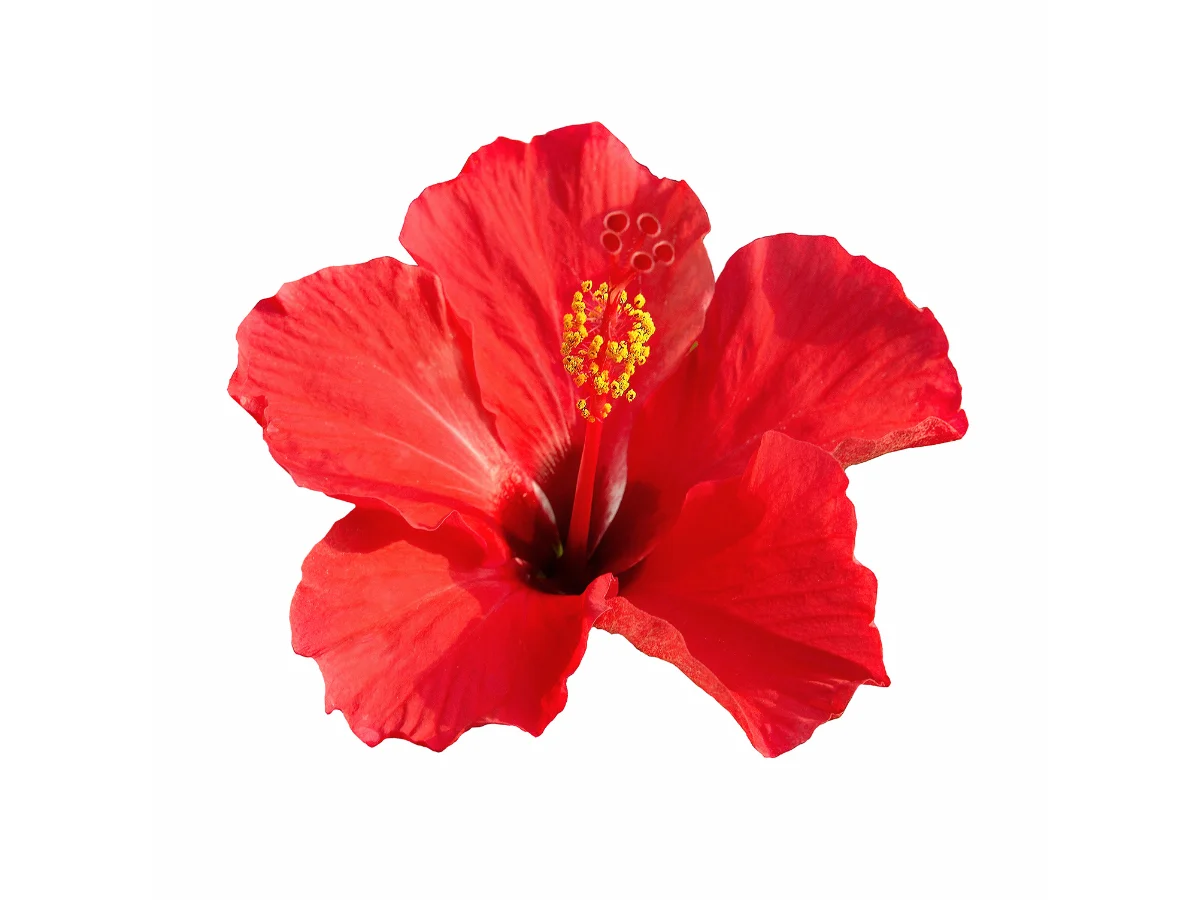
Hibiscus rosa-sinensis: Commonly known as the Chinese hibiscus or shoeblack plant, this variety is appreciated for its ornamental value as well as its use in tea. The flowers of Hibiscus rosa-sinensis are usually larger and more showy, with a wide range of colors, including red, pink, orange, yellow, and white. The petals of this variety are often used to create exotic and visually appealing tea blends.
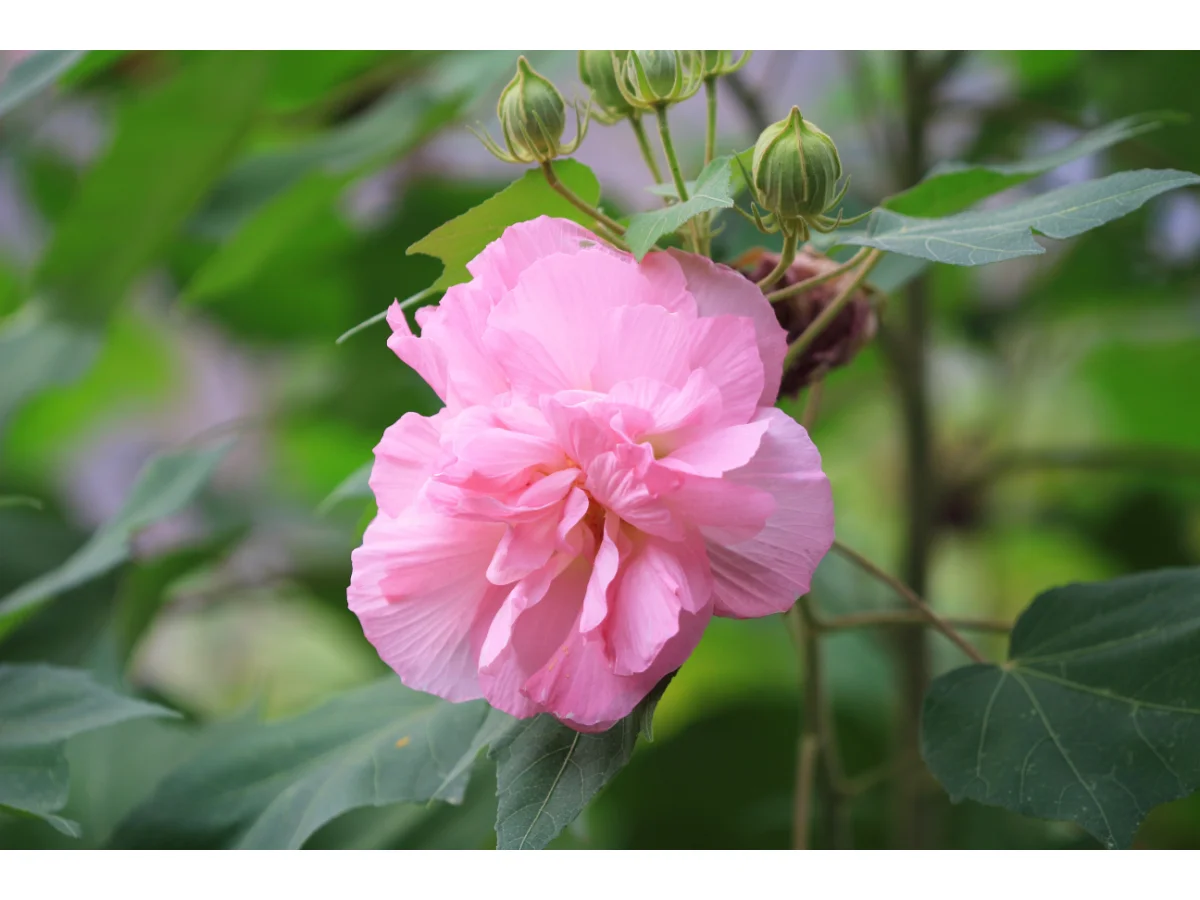
Hibiscus mutabilis: The double rose mallow or confederate rose is another variety of hibiscus frequently used for tea. It is native to China and is characterized by its large, double-layered flowers that change color throughout the day. The flowers start as white or pink in the morning, turn pink during midday, and become deep red by the evening. The delicate and visually stunning blooms of Hibiscus mutabilis add both flavor and elegance to hibiscus tea.
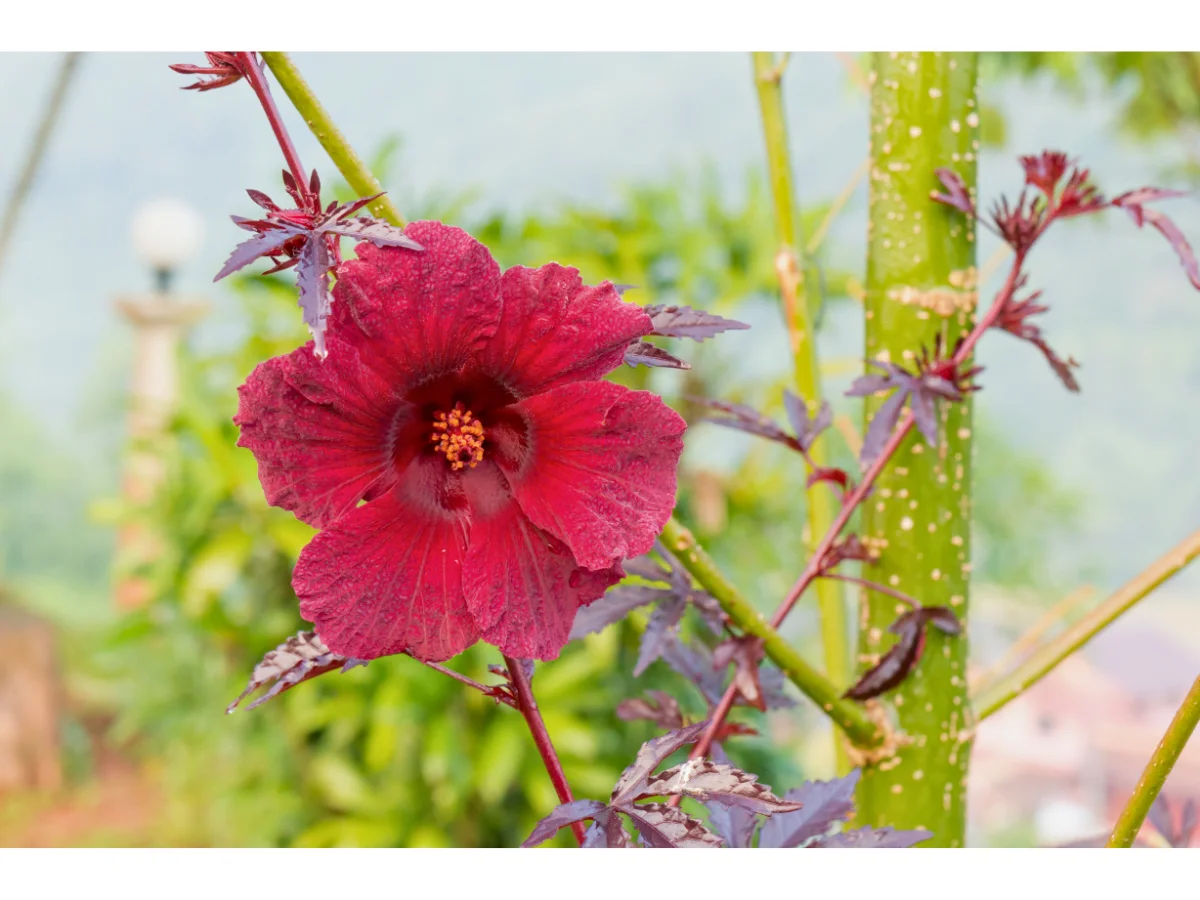
Hibiscus acetosella: Commonly known as African rosemallow or false roselle, this variety is native to Africa. It is easily distinguished by its deeply lobed, maple-like leaves. Hibiscus acetosella has bright red flowers with a lemony taste, adding a unique twist to hibiscus tea. This variety is lesser-known but has gained popularity in recent years due to its rich color and citrusy flavor.
Nutritional Value of Hibiscus Flowers
Hibiscus flowers offer not only a visual and aromatic treat but also a range of essential nutrients. They are packed with vitamins, minerals, and antioxidants that contribute to overall health and well-being. Here is a chart outlining the nutritional value of hibiscus flowers:
Hibiscus flowers are particularly rich in vitamin C, an essential nutrient known for its immune-boosting properties. They also contain iron, which is crucial for maintaining healthy blood and preventing anemia. Additionally, hibiscus flowers provide a small amount of fiber, protein, and various minerals like calcium and potassium.
The presence of antioxidants, such as anthocyanins, in hibiscus flowers helps combat oxidative stress and inflammation in the body. These antioxidants play a vital role in protecting cells from damage caused by harmful free radicals, thereby reducing the risk of chronic diseases like heart disease and cancer.
Overall, hibiscus flowers offer an array of nutrients that can complement a balanced diet and contribute to a healthy lifestyle. Incorporating hibiscus tea into your daily routine can provide numerous health benefits, making it a nourishing and enjoyable beverage option.
Making hibiscus tea with fresh and dried flowers
With fresh flowers
Ingredients:
- 1 cup fresh hibiscus flowers (stamens removed)
- 4 cups water
- Honey or sweetener (optional)
- Ice cubes (optional)
Instructions:
- Rinse the fresh hibiscus flowers under cold water to remove any dirt or debris.
- In a large pot, bring 4 cups of water to a boil.
- Add the fresh hibiscus flowers to the boiling water and reduce the heat to low.
- Let the mixture simmer for about 10 minutes, stirring occasionally.
- Remove the pot from heat and strain the tea to remove the hibiscus flowers.
- If desired, sweeten the tea with honey or any other sweetener of your choice.
- Transfer the tea to a pitcher and let it cool for a while.
- Once cooled, you can serve the hibiscus tea over ice cubes for a refreshing drink.
- Enjoy your fresh hibiscus tea!
With dried flowers
Ingredients:
- 1/4 cup dried hibiscus flowers
- 4 cups water
- Honey or sweetener (optional)
- Lemon slices or mint leaves (optional)
Instructions:
- In a saucepan, bring 4 cups of water to a boil.
- Add the dried hibiscus flowers to the boiling water.
- Reduce the heat to low and let the mixture simmer for about 5-10 minutes, stirring occasionally.
- Remove the saucepan from heat and let the tea steep for an additional 5 minutes.
- Strain the tea to separate the hibiscus flowers from the liquid.
- If desired, add honey or any other sweetener to taste.
- You can also garnish the tea with lemon slices or mint leaves for a refreshing twist.
- Serve the hibiscus tea either hot or chilled, depending on your preference.
- Sip and enjoy your delicious dried hibiscus tea!
Note: You can adjust the sweetness or tartness of the tea by adding more or less sweetener or hibiscus flowers according to your taste. Feel free to experiment and personalize the recipes to suit your preferences.
Takeaway
In conclusion, hibiscus can indeed be used to prepare a delightful and refreshing tea. Whether you opt for fresh or dried hibiscus flowers, the resulting beverage is not only flavorful but also offers various health benefits. Hibiscus tea is rich in antioxidants and vitamins, and studies suggest it may help lower blood pressure, reduce inflammation, aid in weight loss, and promote overall heart health.
Additionally, its vibrant red color and floral aroma make it an appealing choice for those seeking a unique and natural beverage option. So, why not give hibiscus tea a try and take advantage of its numerous health benefits while indulging in a delicious and soothing drink?
Disclaimer:
While hibiscus tea is generally safe for consumption, it is essential to exercise moderation. Individuals with low blood pressure, pregnant or nursing women, and those taking medication should consult with a healthcare professional before incorporating hibiscus tea into their routine. Additionally, some may experience mild digestive discomfort or interactions with certain medications. It is crucial to be aware of your specific health conditions and any potential allergies before consuming hibiscus tea. Furthermore, the information presented in this article is for informational purposes only and should not be considered medical advice. Always consult with a healthcare professional for personalized guidance regarding your health and dietary choices.