
 By
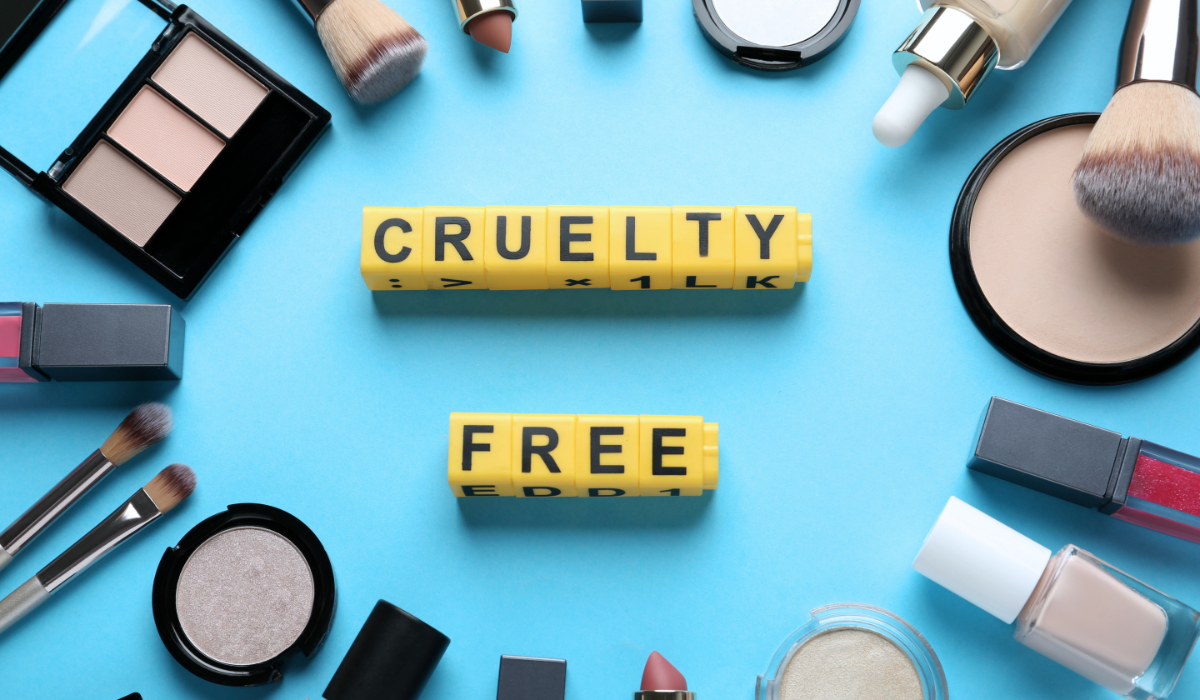
By Think about everything you used this morning – your tooth paste, shampoo, facewash, sunscreen, moisturizer, perfume, deodorant, sunscreen, detergent, dishwashing liquid and even some makeup. Now tell me have you ever thought about the journey these products took before becoming a part of your daily routine? Every product has a story before it lands on the shelves of supermarkets. It goes through a journey of research, development, testing and manufacture. But one question that people often overlook and it slips under the radar is – Was the product tested on animals for its safety? This is where the concept of “cruelty-free” comes into picture.
Over the past few years you must have seen many companies proudly displaying the cruelty-free logo on their packaging. This label has become quite popular within the beauty and personal care industry. Today it has found its way into household cleaning products, pet-care items and other essentials too. So, what does cruelty- free actually mean? Does the word mean something meaningful or is it just another marketing gimmick? Does it mean the product has no animal derived ingredients? Can you really trust the labels you see?
Let me breakdown everything for you in simple and straightforward language. If you are curious whether your detergent, perfume, tooth paste and makeup are cruelty-free, this guide will explain you what cruelty-free label means and why does it matter?
What does Cruelty-free Mean?
The truth is cruelty-free is not a buzzword or a trend. It is about making products without testing them on animals and encouraging ethical and other safer ways to test products. Today people have become more aware about the products they buy and using the ones that align with their values. This is not because these products are perfect but because people want to make informed choices.
So what does cruelty-free actually mean? Cruelty-free means that a product has been developed without being tested on animals. Instead the company used alternative methods of testing for safety and efficacy like laboratory tests, scientific data and human models.
But cruelty-free products may not be vegan and may contain animal derived ingredients like beeswax and lanolin. Also, all vegan products are not cruelty-free. Vegan products avoid animal ingredients, but some are still tested on animals. So understanding the differences between these labels can help you make informed choices.
Cruelty-Free Isn’t Just About Cosmetics
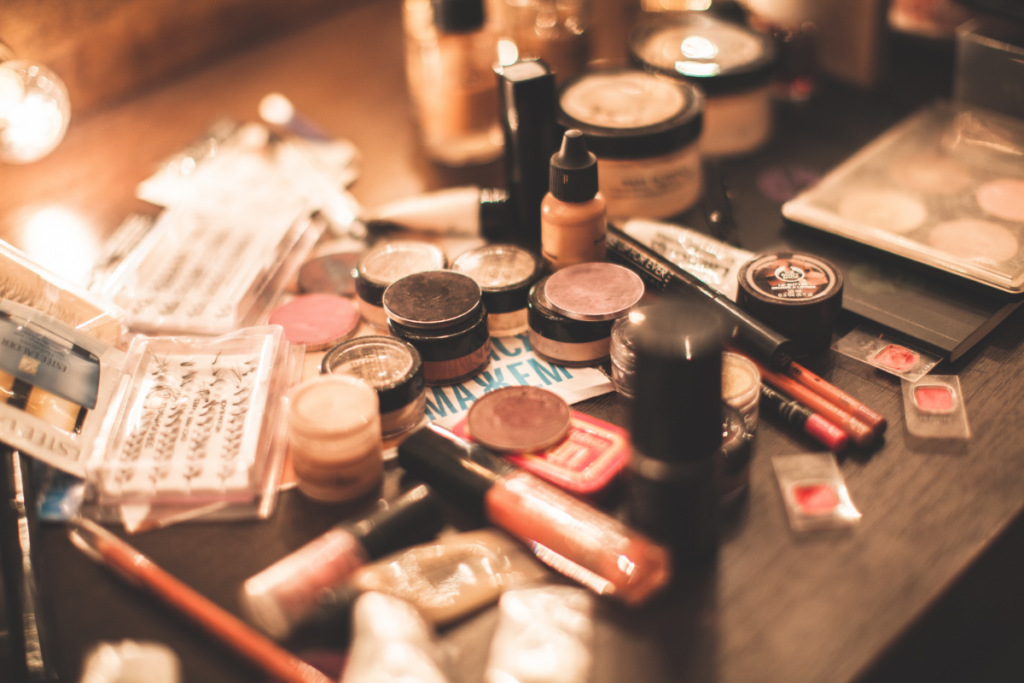
When people hear the term “cruelty-free,” they often think of makeup or skincare products. While cosmetics have played a major role in popularizing the movement, the concept goes far beyond cosmetics. Today consumers have the opportunity of making ethical choices across many areas of their daily lives by choosing products that are not tested on animals. From personal care products, cosmetics to cleaners used around our home and many other daily essentials are available in cruelty-free alternatives. By choosing these products consumers can support companies that prioritize animal welfare and still enjoy safe and effective products.
Personal Care Products
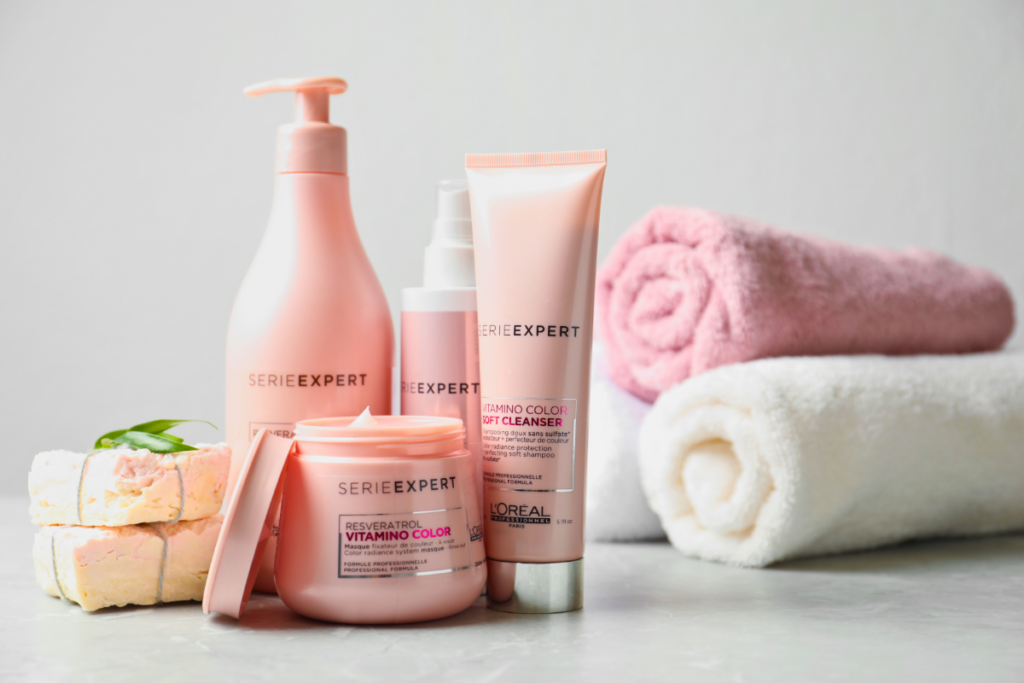
Personal care products are an important part of everybody’s daily routine. Products like toothpaste, shampoo, conditioner, deodorant, sunscreen, perfume, mouthwash, and shaving products are used everyday to maintain personal hygiene and wellbeing. Before the products reach the shelves of supermarkets, manufacturers must ensure they are safe for consumers. In the past companies used animals for testing their products to evaluate the safety of their ingredients. And animal testing is still not a thing of the past. It is happening today also, but the situation has changed significantly.
Some companies still test on animals sometimes because they use certain ingredients which require animal testing under specific regulations, they sell in markets which require animal testing by law. Animal testing has been banned in many countries. Cosmetic testing laws vary across the world. Countries and regions like European Union, India, New Zealand, Australia, South Korea and some states of USA have introduced bans and restrictions on cosmetic animal testing. However animal testing is not completely banned. Countries like China requires it in certain situations and US does not ban it nationwide but also does not require it.
Household Cleaning Products
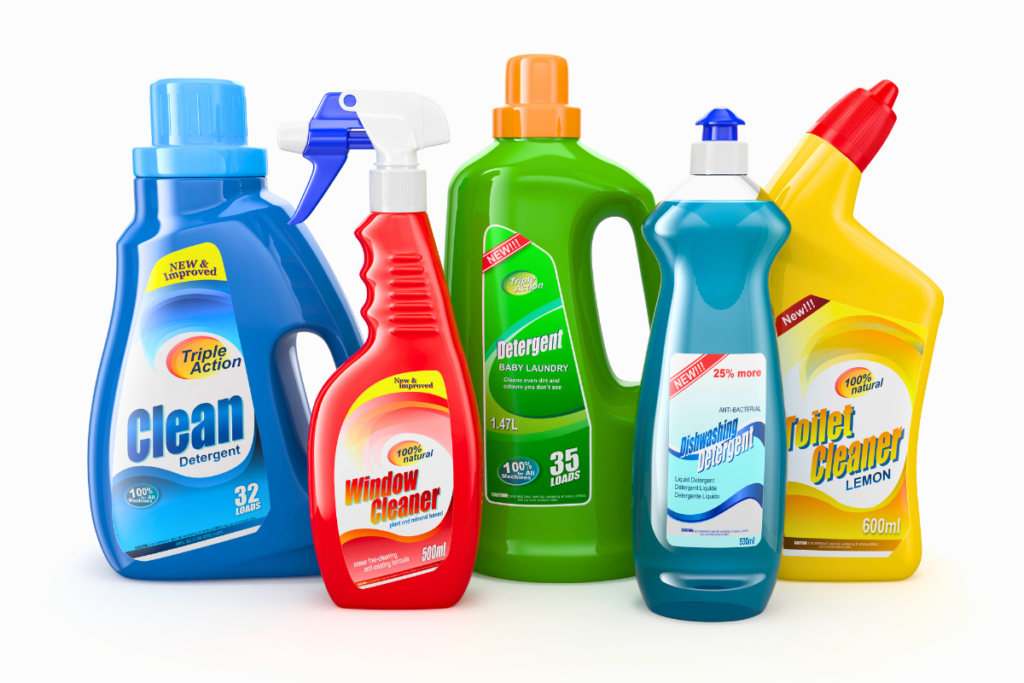
Household cleaning products like floor cleaner, washing detergent, toilet cleaner, glass cleaners and surface disinfectants are all part of our daily lives. Just like cosmetics, and personal care products these household cleaning products are also first tested for safety before they reach the consumers. In the past, companies tested cleaning products on animals for potential harms like skin irritation, eye damage and health risks in case of accidental exposure.
Unfortunately, there still are companies that test on animals when using certain chemicals, when required by regulations and when selling in markets with specific safety requirements. But there still are manufacturers who have embraced alternative testing methods and other scientific approaches that do not involve animals. As awareness about animal welfare grows more brands are creating cruelty free products focusing on both household safety and ethical responsibility.
Pet Care Products
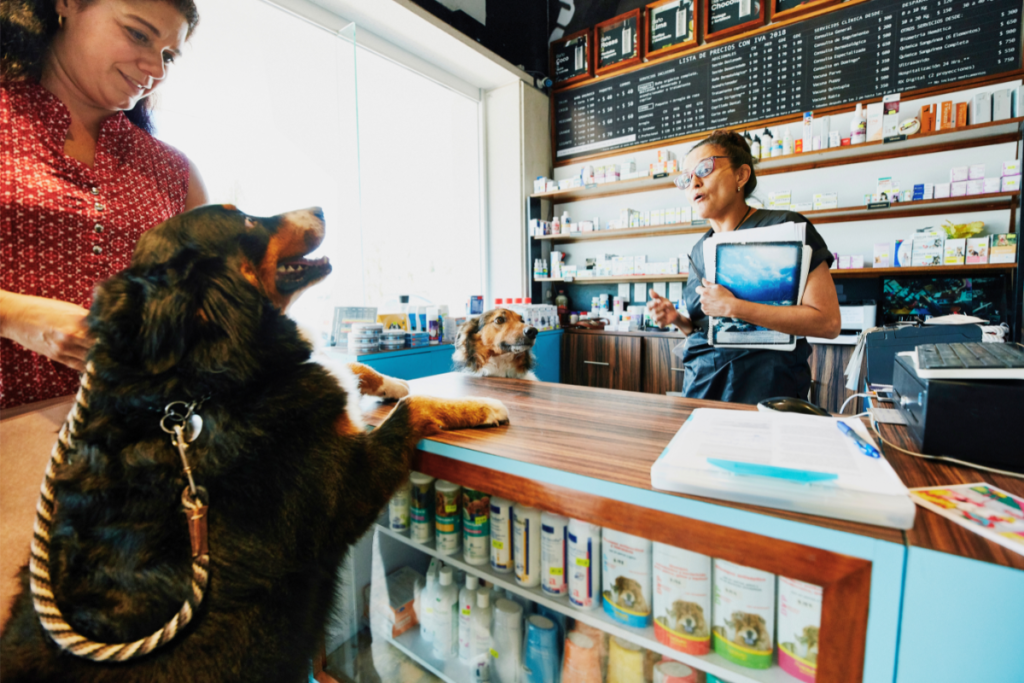
Cruelty-free lifestyle can go beyond our personal care products to the products we buy for our pets. There are many companies these days that offer pet hygiene and grooming products like shampoo, conditioner, ear cleaning solutions and paw balms – that are not tested on animals. It may sound contradictory to many since these are pet products. Although these products are made for animals but cruelty-free means no animals were harmed or used before these products could be sold. It is important to remember that animals that are used in testing are usually not the same as the pets we care for. Safety tests have for long been done on laboratory animals even for products intended for our pet companions like cats and dogs.
Today manufacturers use alternative testing methods to ensure the safety and efficacy of their products without involving any animals. This means you can still care for your furry pet without supporting the unnecessary and unethical animal testing. Choosing to buy cruelty-free pet care products is a simple way to support kinder and ethical shopping habits. Every cruelty-free purchase you make whether for yourself, your family or your four legged companion, supports a more humane approach to product development and also motivates brands to adopt ethical practices.
Regulations regarding animal testing regarding household cleaning products vary across countries. While some countries have moved away from animal testing or even reduced it significantly, there is still no complete global ban covering all household cleaning items.
What this means is that we all should look for cruelty free brands that clearly state their animal testing policies and have recognised cruelty- free certifications.
Why Were Products Tested on Animals in the First Place?
Why does Cruelty-free Matter?
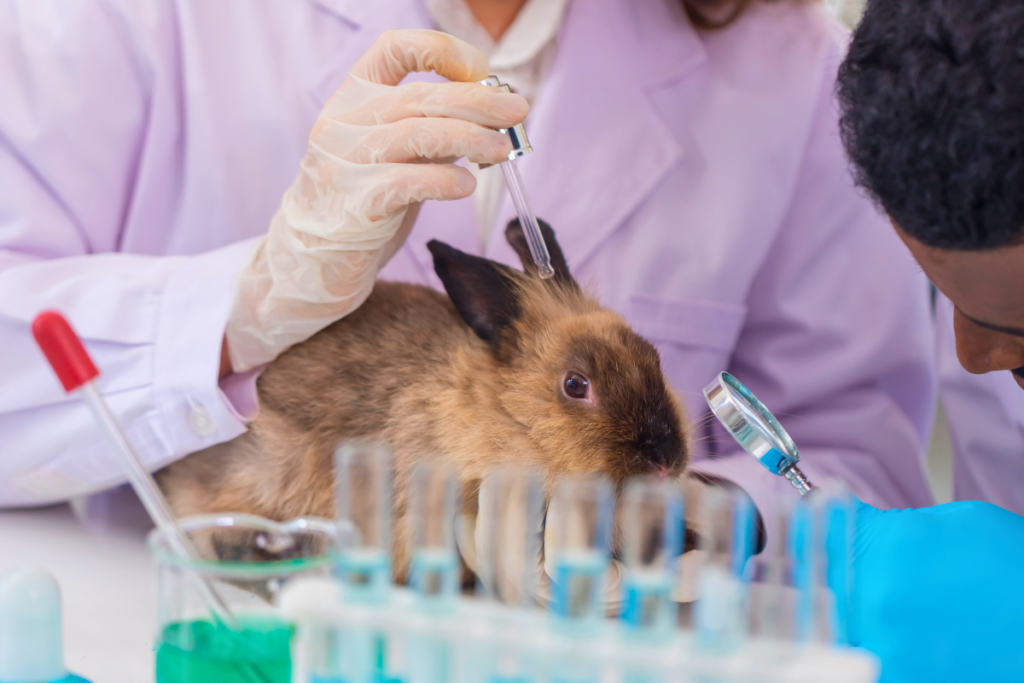
Choosing cruelty-free products is recognising the fact that animals dont have to suffer for our everyday essentials. For many years laboratory animals like rabbits, mice, rats and guinea pigs have been exploited, and tortured to test the safety of cosmetics, personal care products and certain household ingredients. Depending upon the type of tests these animals suffered pain, stress, trauma and in most cases they were euthanized after the studies.
With advancements in science and technology, there are alternative testing methods available to make products safe and effective to use. This means that consumers can enjoy reliable and safe products while supporting humane practices. Animals are not for our use and they shouldn’t be exploited in any way. It is important to be informed about the cruelty-free products so that consumers can look beyond the marketing claims of a company and choose brands that are genuinely working towards reducing and eliminating animal testing.
Every cruelty-free purchase gives you a chance to support kinder practices. While one person’s choice may seem small but millions of informed choices can encourage companies to stop animal testing and invest in ethical innovations.
Understanding Cruelty-Free Labels and Logos
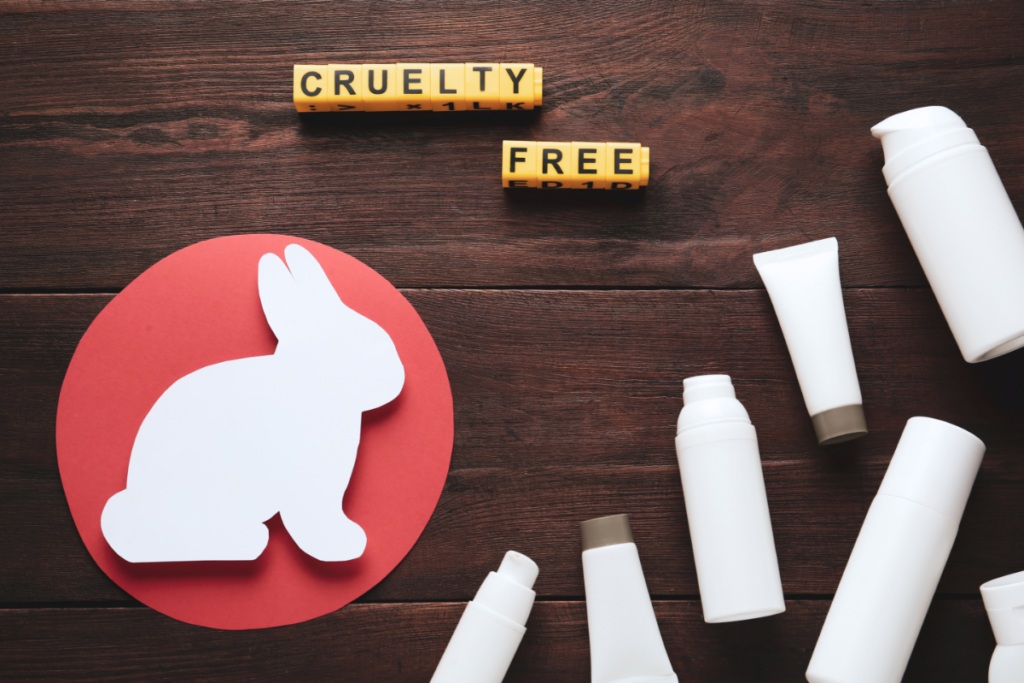
When shopping for cruelty-free products you must have come across labels and symbols claiming that the product is not tested on animals. However, all cruelty-free statements on the packaging are not independently reviewed. Many companies create their own cruelty-free claims without any outside review, leaving the consumers confused about the reliability of the claim.
To make more ethical and informed choices look for certifications from recognized animal welfare organizations who have clear standards and verification processes. Some of the most trusted cruelty-free certifications include PETA’s Beauty without bunnies, Leaping Bunny and Choose Cruelty Free (CCF). These organizations thoroughly check a company’s animal testing policies before allowing them to use their cruelty-free label, helping consumers identify the brands that meet their standards.
Takeaway
Behind every cruelty-free product is the possibility that a company chose not to test on an animal. For decades, millions of rabbits, mice, rats, guinea pigs, and other laboratory animals have been used in experiments to test the safety of everyday products. Some animals suffer skin and eye irritation, pain, stress, and discomfort during testing.
Behind every cruelty-free label there is a story often goes untold. Animals were never meant to be kept confined in controlled environments. These laboratory animals never get a chance to run, burrow, climb and even do these things that they naturally do.
When you make a cruelty free purchase it shows you recognize the fact that these animals deserve compassion too. When so many kinder alternatives exist then why subject animals to painful procedures. Together we can help create a future where scientific innovation and kindness coexist and no animals have to suffer anymore for the products we use.
For us, it’s just another product. For an animal, it could mean the difference between suffering and being spared.
Choose Cruelty Free Always!
Disclaimer: Cruelty-free policies and certifications can change over time as companies update their practices and regulations evolve. The information in this article is intended to help readers understand cruelty-free products and make informed choices. Before purchasing, it is recommended to check the latest information from official brand websites and recognised cruelty-free certification organisations.