

Yoga has long been celebrated for its ability to promote relaxation and enhance mental clarity, making it a powerful tool for managing panic and anxiety. In a fast-paced world filled with constant stressors, many individuals are turning to yoga as a natural and holistic approach to emotional well-being. The practice encourages mindfulness, allowing practitioners to focus on their breath and body, which can help ground them during moments of heightened anxiety.
Panic and anxiety can be overwhelming conditions that affect millions of people worldwide. Understanding their causes and symptoms is crucial in managing them effectively. Panic attacks can be triggered by various factors, such as stress, trauma, or significant life changes. Symptoms may include rapid heart rate, shortness of breath, dizziness, feelings of impending doom, and a sense of losing control. Anxiety disorders can manifest as excessive worry, restlessness, difficulty concentrating, and physical symptoms like muscle tension and fatigue.
Yoga serves as a therapeutic approach that can aid in alleviating these symptoms. By incorporating specific poses into your routine, you can foster a sense of calm, promote emotional resilience, and enhance your overall mental well-being. Here are the 10 most effective poses for managing panic and anxiety.
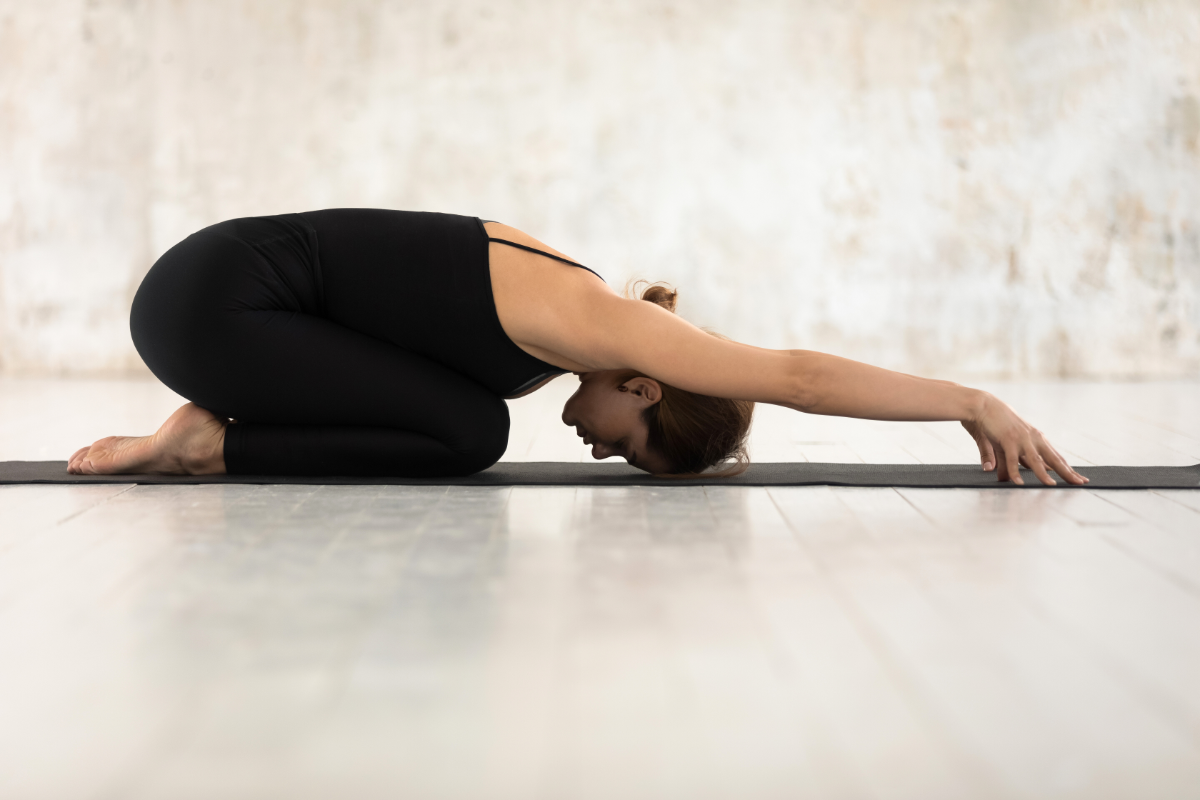
Child’s Pose (Balasana)
Child pose promotes relaxation, calms the mind, and stretches the back and hips.
Instructions:
- Start on your hands and knees. Sit back on your heels and extend your arms forward, resting your forehead on the mat.
- Breathe deeply, allowing your body to relax completely.
Cat-Cow Pose (Marjaryasana-Bitilasana)
Benefits:
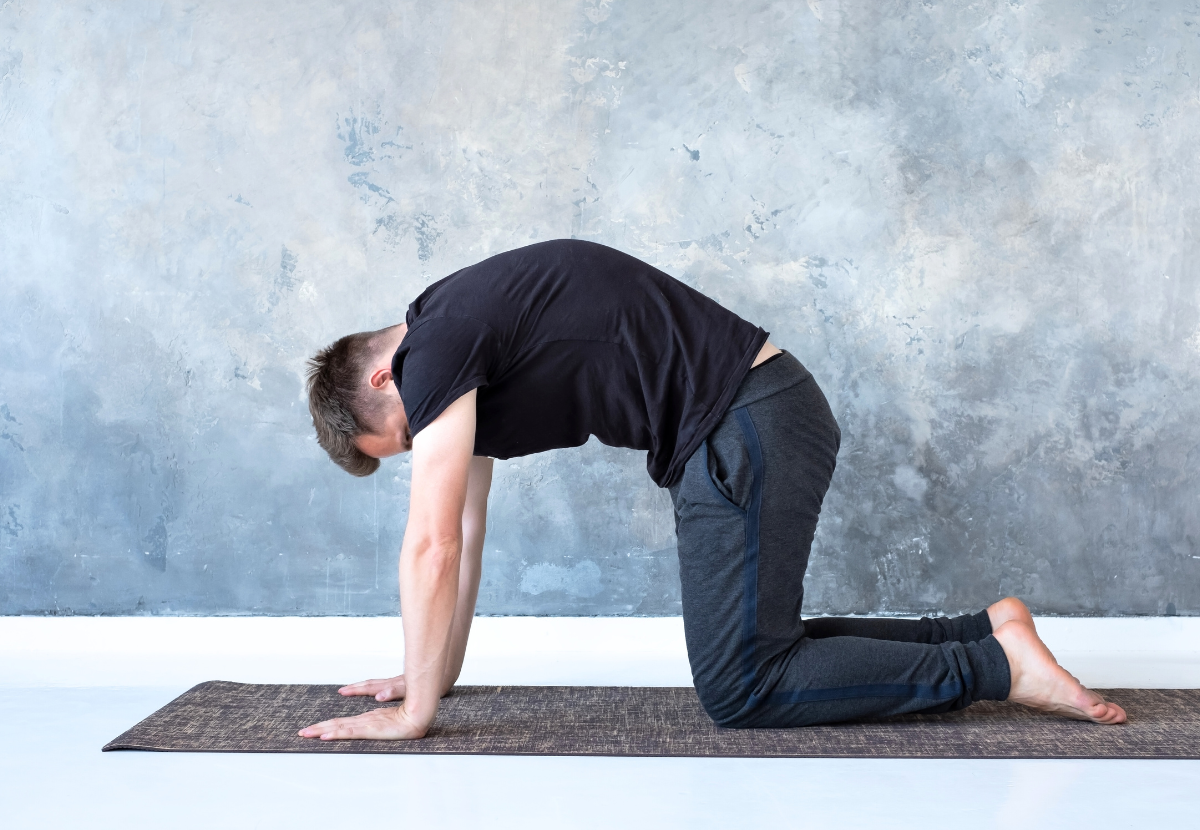
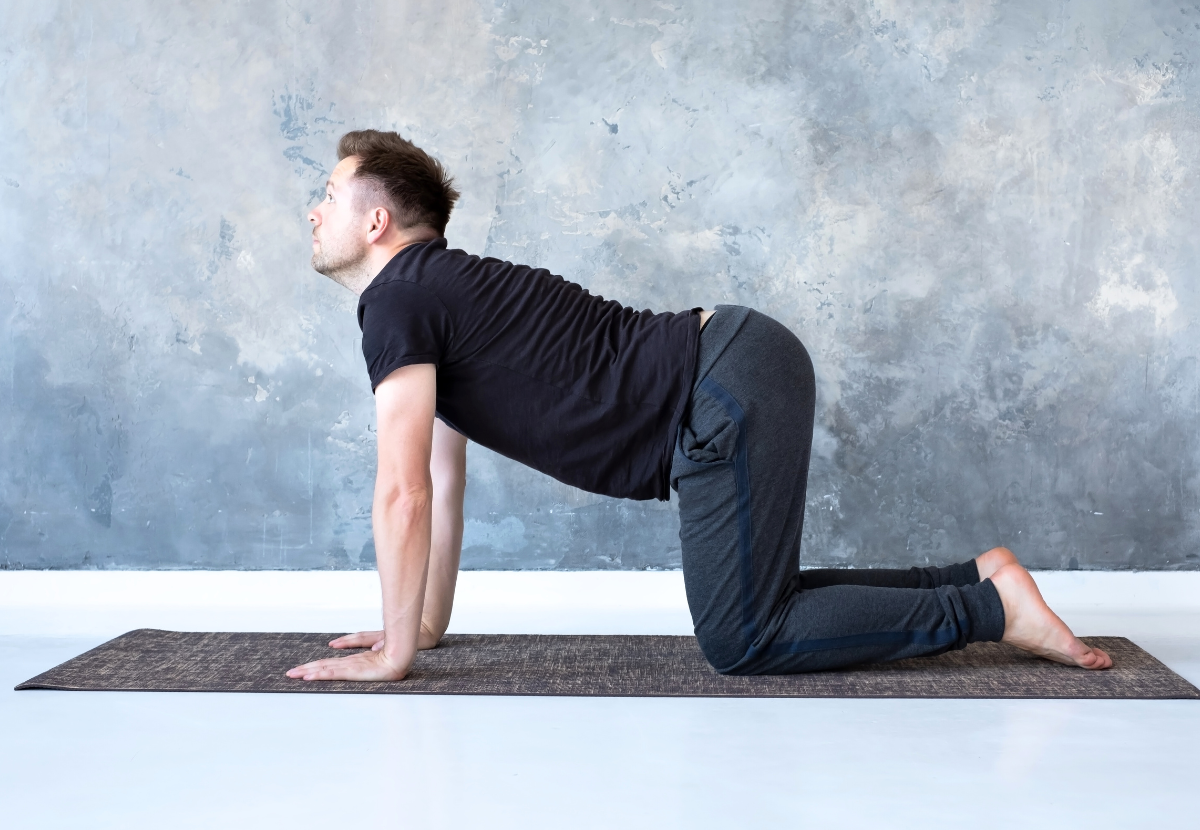
Helps release tension in the spine and encourages slow, deliberate breathing.
Instructions:
Begin on your hands and knees. Inhale as you arch your back (Cow), dropping your belly towards the floor. Exhale as you round your spine (Cat), tucking your chin to your chest. Repeat for several breaths.
Legs Up the Wall Pose (Viparita Karani)
Benefits:
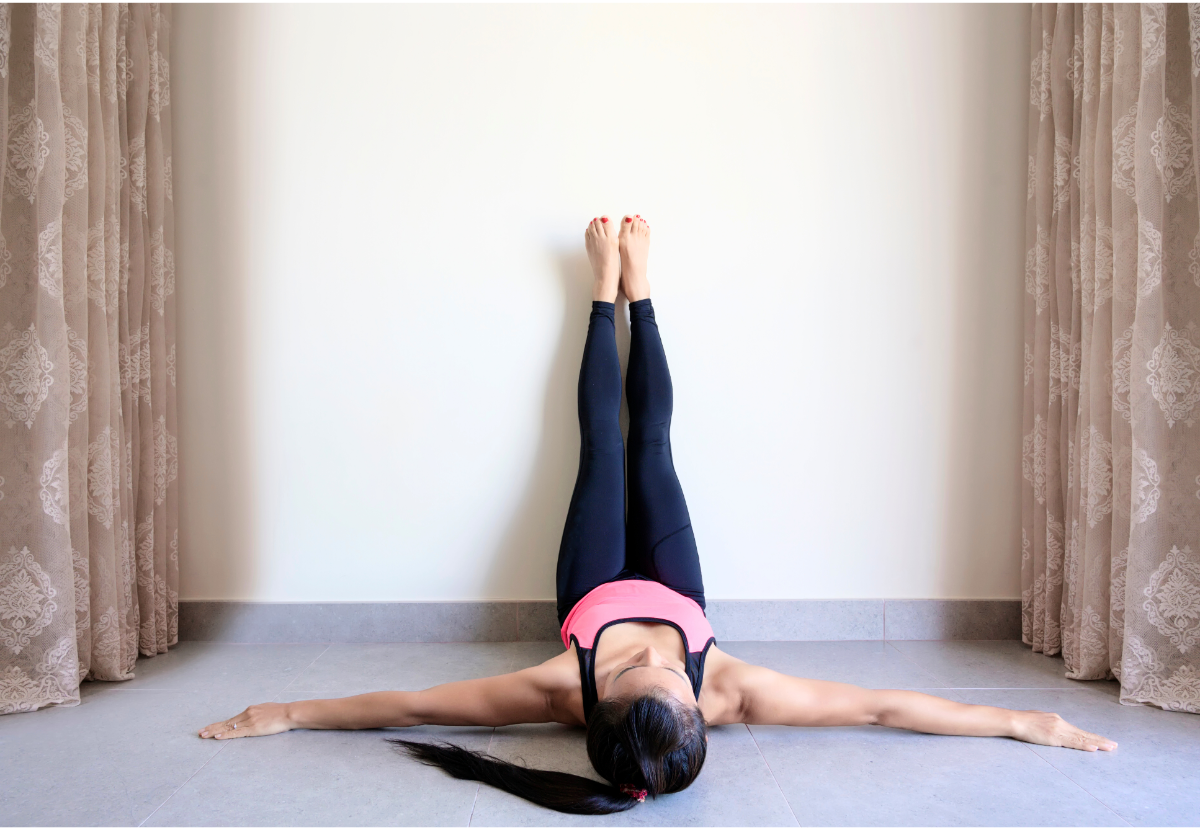
- Calms the nervous system and reduces anxiety by promoting relaxation.
Instructions:
- Sit with one hip against the wall and gently swing your legs up to rest against it.
- Your back should be flat on the floor. Relax your arms at your sides and breathe deeply for 5-10 minutes.
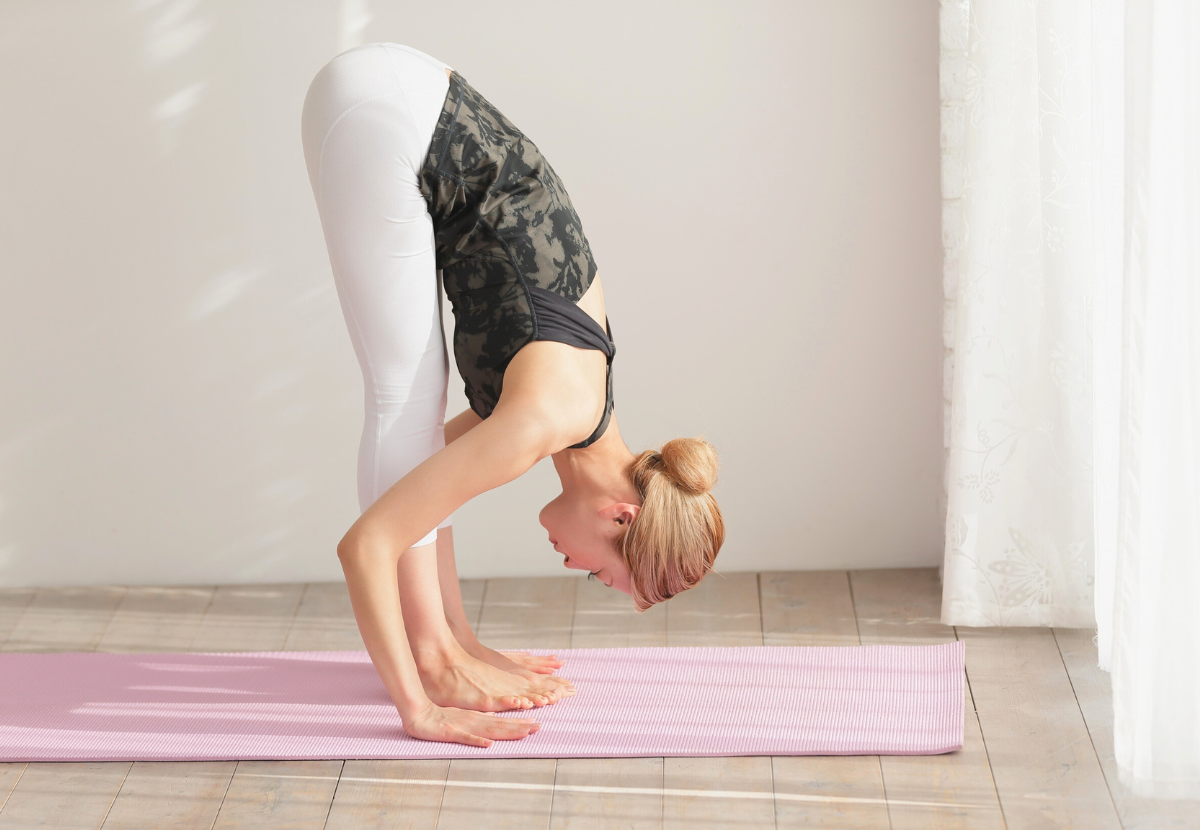
Standing Forward Bend (Uttanasana)
Benefits:
- Promotes relaxation, calms the mind, and releases tension in the back and neck.
Instructions:
- Stand with your feet hip-width apart. Inhale and raise your arms overhead.
- Exhale as you bend forward at the hips, letting your head hang heavy.
- Keep a slight bend in your knees if necessary. Breathe deeply and hold for several breaths.
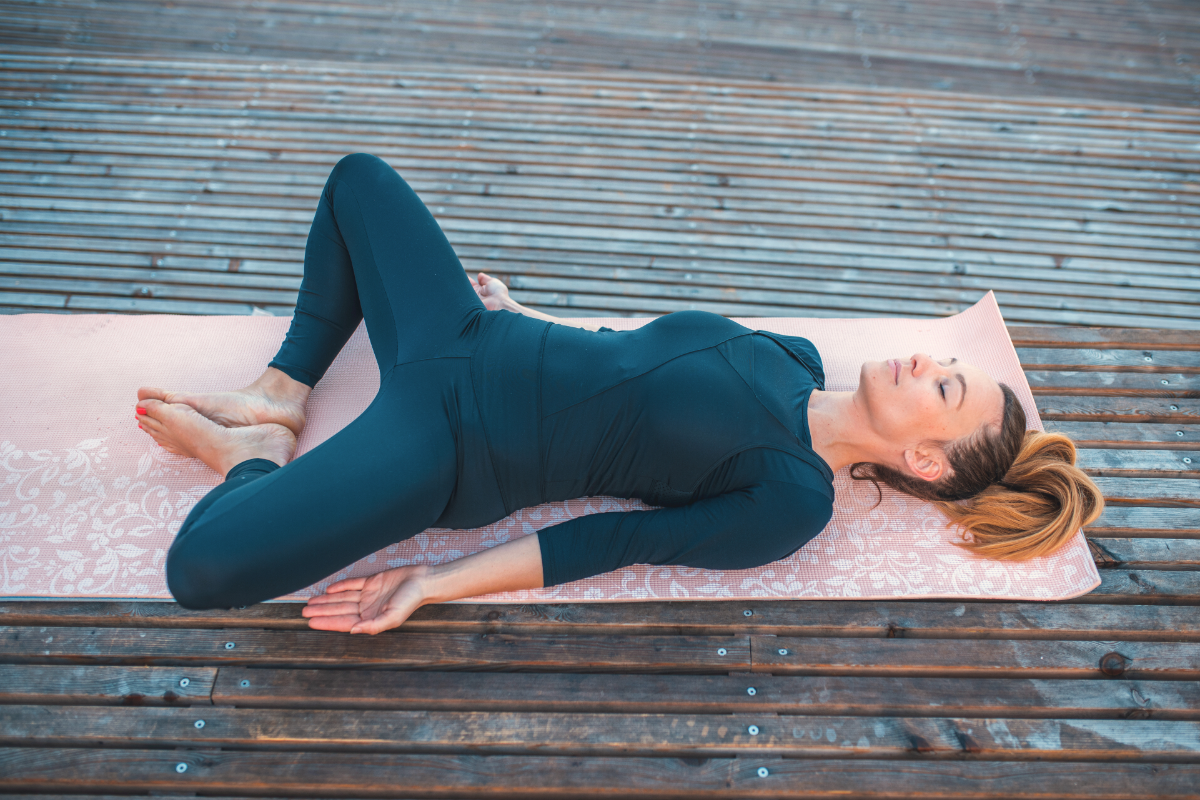
Reclined Bound Angle Pose (Supta Baddha Konasana)
Benefits:
- Opens the hips and promotes relaxation, reducing anxiety and stress.
Instructions:
- Lie on your back and bring the soles of your feet together, allowing your knees to fall out to the sides.
- Place your hands on your belly or at your sides. Close your eyes and breathe deeply for 5-10 minutes, allowing your body to relax completely.
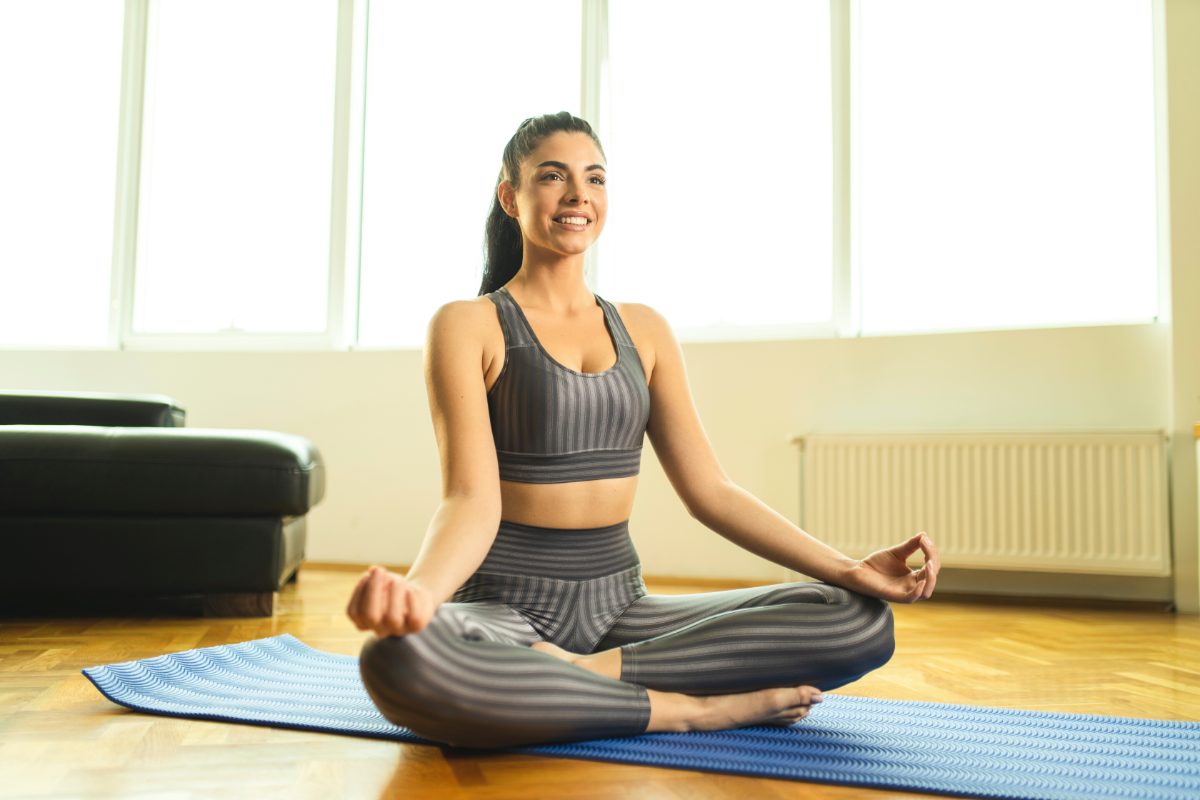
Easy Pose (Sukhasana)
Benefits:
- Promotes grounding, mindfulness, and inner peace.
Instructions:
- Sit cross-legged on the floor, resting your hands on your knees.
- Close your eyes and take deep breaths, focusing on the present moment. Hold this pose for several minutes, allowing your mind to settle.
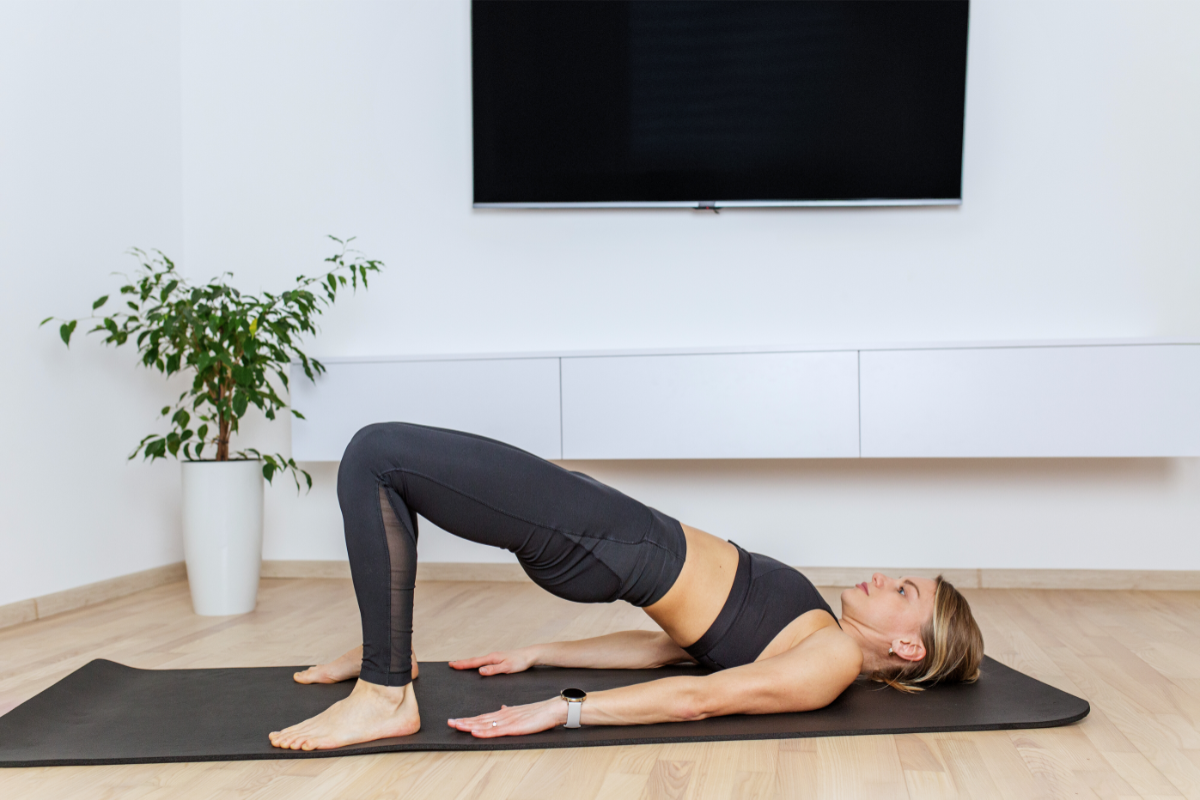
Bridge Pose (Setu Bandhasana)
Benefits:
- Relieves tension in the back and chest, fostering a sense of openness and calm.
Instructions:
- Lie on your back with your knees bent and feet flat on the floor, hip-width apart. Press your feet into the ground and lift your hips towards the ceiling.
- Clasp your hands under your back for support. Hold for a few breaths before releasing.
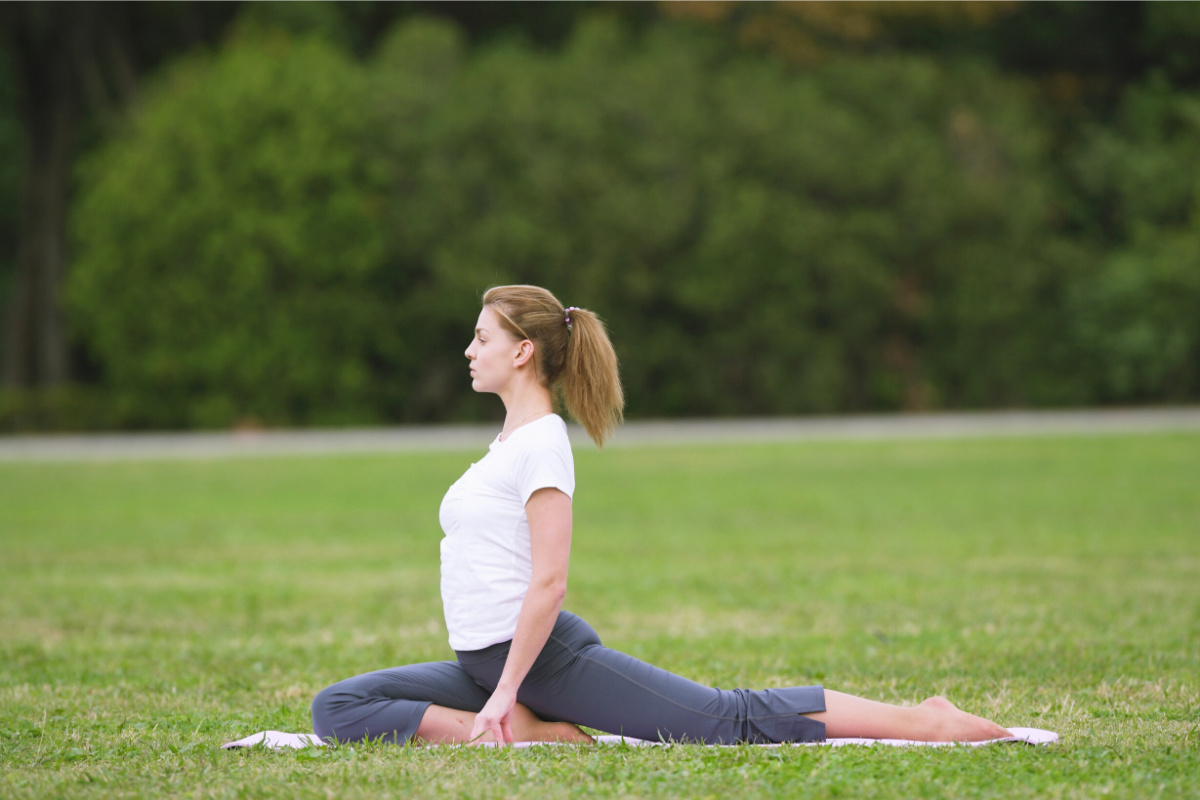
Pigeon Pose (Eka Pada Rajakapotasana)
Benefits:
- Opens the hips, releases stored tension, and promotes emotional release.
Instructions:
- Begin in a tabletop position. Bring your right knee forward, placing it behind your right wrist. Extend your left leg back, keeping your hips square.
- Lower your upper body down, resting on your forearms. Hold for several breaths, then switch sides.
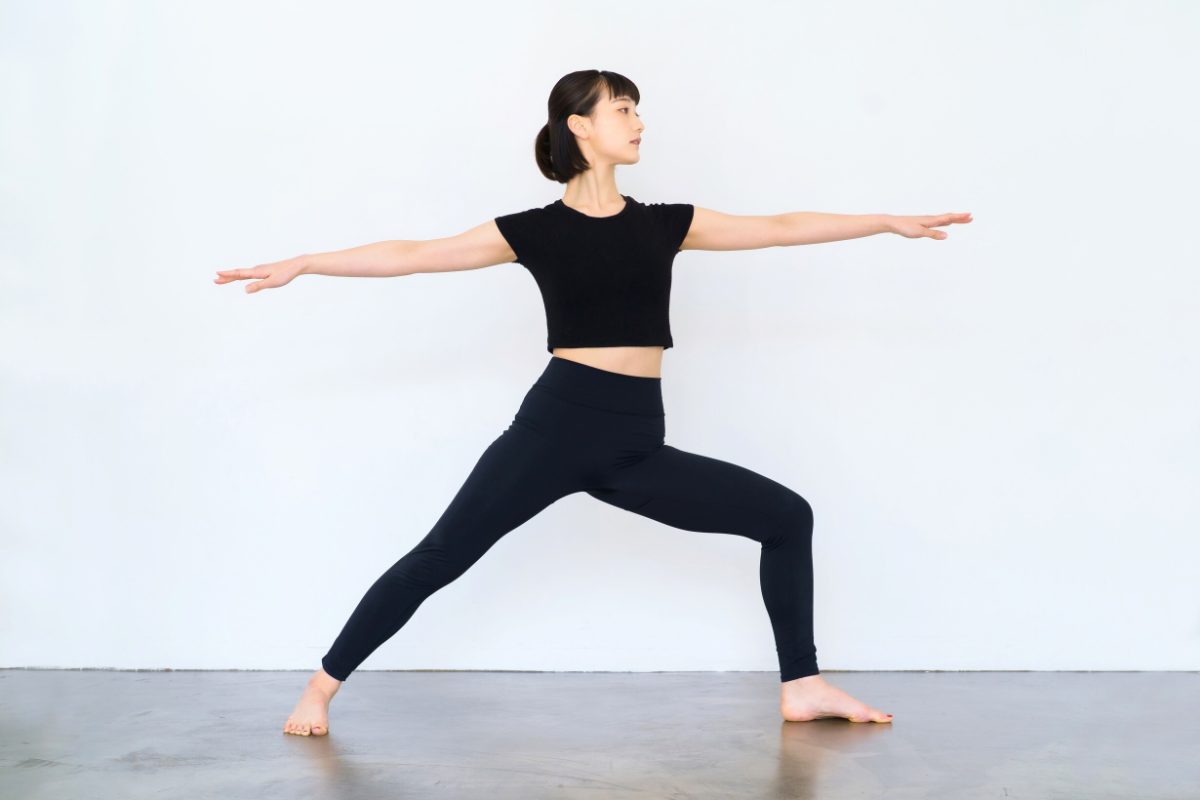
Warrior II (Virabhadrasana II)
Benefits:
- Builds strength and stability while promoting focus and confidence.
Instructions:
- Stand with your feet wide apart. Turn your right foot out 90 degrees and bend your right knee, keeping it over your ankle.
- Extend your arms parallel to the floor, gazing over your right fingertips. Hold this position for several breaths before switching sides.
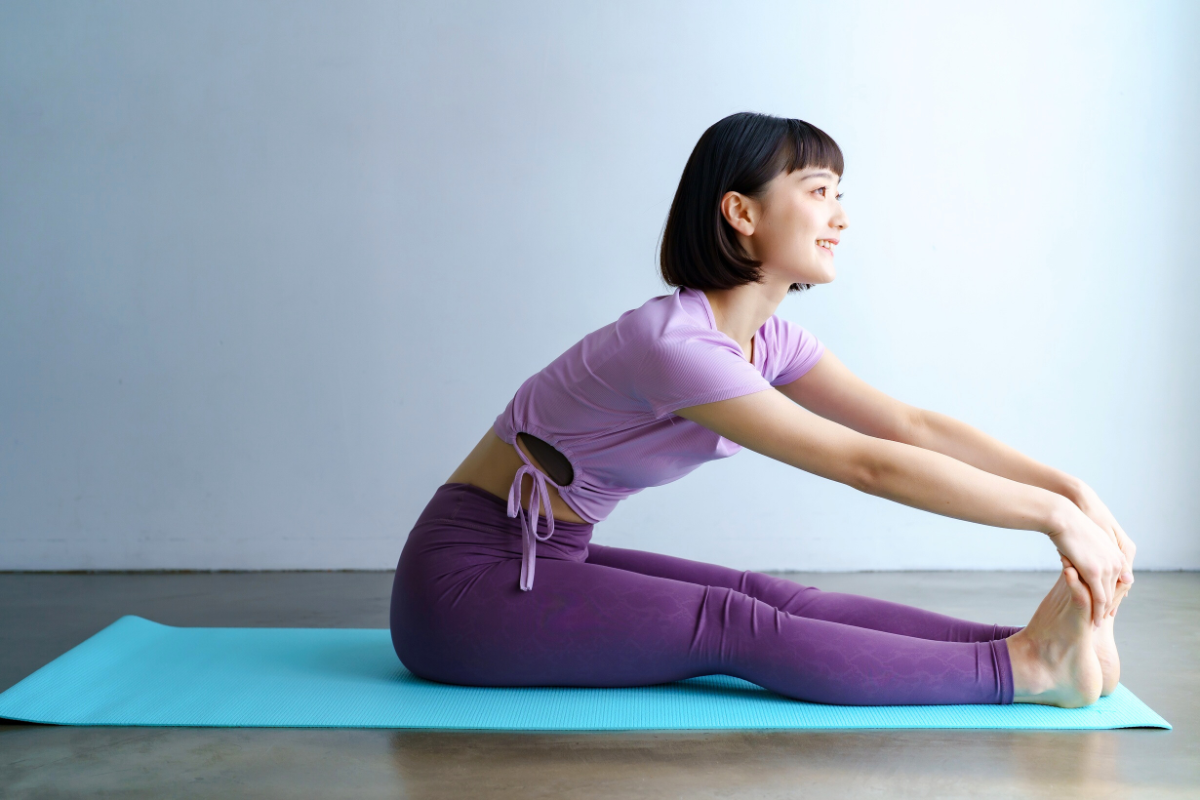
Seated Forward Bend (Paschimottanasana)
Benefits:
- Calms the mind, reduces stress, and stretches the spine and hamstrings.
Instructions:
- Sit with your legs extended in front of you, feet together. Inhale and raise your arms overhead, lengthening your spine.
- Exhale as you hinge at your hips, reaching forward towards your feet. Hold your feet or shins, keeping your back straight. Breathe deeply and hold for 5-10 breaths.
Managing Panic and Anxiety with Yoga
Practicing these poses regularly can help create a foundation for resilience against panic and anxiety. The slow, mindful movements and deep breathing associated with yoga encourage a state of relaxation, reducing the physiological symptoms of anxiety. Additionally, the mental focus required during practice can draw attention away from anxious thoughts, allowing for greater emotional clarity.
Incorporating yoga into your routine can complement other therapeutic approaches, such as cognitive-behavioral therapy (CBT), meditation, or mindfulness techniques. It is essential to consult with a healthcare professional for a tailored approach to managing panic and anxiety effectively.
Additional Techniques to Enhance Your Yoga Practice
Breathwork (Pranayama)
Integrating breathwork techniques or pranayama such as deep belly breathing or alternate nostril breathing can enhance the calming effects of your yoga practice. Focusing on your breath can help anchor you in the present moment and regulate your physiological response to stress.
Mindfulness Meditation
Incorporating mindfulness meditation into your routine can further enhance your ability to manage anxiety. Spend a few minutes before or after your yoga practice in quiet reflection, focusing on your thoughts and feelings without judgment.
Consistency is Key
Establishing a regular yoga practice is vital in experiencing the full benefits. Aim to practice several times a week, even if for short sessions. Consistency will help you build resilience over time.
Create a Calming Environment
Designate a peaceful space for your practice. Dim the lights, play soft music, or light candles to create an ambiance that promotes relaxation. This will help signal your mind and body that it’s time to unwind.
Stay Patient
It’s essential to approach your yoga practice with patience. Progress may take time, and it’s crucial to allow yourself grace as you navigate through your journey of managing panic and anxiety.
Takeaway
Yoga offers a comprehensive approach to alleviating the symptoms of panic and anxiety. By incorporating these twelve poses into your practice, you can promote relaxation, foster emotional resilience, and reclaim a sense of control over your mental and physical health. As you explore the transformative power of yoga, remember that each individual’s journey is unique, and it’s essential to find what works best for you. Through dedication, mindfulness, and self-compassion, you can cultivate a deeper connection to your body and mind, leading to enhanced emotional well-being.