

When the cold and flu season hits, many of us find ourselves grappling with discomfort and fatigue. While it might seem counterintuitive to think about yoga during these times, gentle stretching can actually provide significant relief. Cold and flu symptoms can leave you feeling drained, with aches, stiffness, and congestion. Engaging in specific yoga stretches can help alleviate tension, promote circulation, and even facilitate easier breathing.
Yoga is known for its numerous health benefits, and it can be especially helpful when you’re trying to combat the sluggishness that often accompanies a super flu. Additionally, if you’re dealing with walking pneumonia, the right movements can help open up your chest, clear your sinuses, and enhance your overall sense of well-being.
As you practice these five simple stretches for relief, listen to your body and modify the poses as needed to ensure comfort. Remember, the goal isn’t to push yourself but to nurture your body back to health. Embrace the healing power of yoga, and discover how these gentle stretches can make a difference in your recovery from cold and flu or influenza symptoms. Whether you’re facing a mild cold or a more severe case of the super flu or walking pneumonia, these stretches offer a pathway to relaxation and relief.
Cold vs Flu
A cold and the flu are both illnesses that affect your breathing but are caused by different germs. A cold is usually mild and has symptoms like a runny or stuffy nose, a sore throat, sneezing, and sometimes feeling a little tired. The flu, caused by flu viruses, can be more serious. It often comes on suddenly and includes high fever, chills, body aches, tiredness, and a dry cough. While both are contagious, the flu spreads more quickly and can lead to serious health problems. To help prevent getting sick, wash your hands often, avoid close contact with sick people, and get the flu shot each year. If you catch a cold or the flu, treatments focus on easing symptoms, but doctors may prescribe medicine for the flu if you see them quickly.
Superflu Symptoms
In 2025, there’s talk about something called superflu, which is a very contagious and potentially dangerous strain of the flu. This illness can show symptoms similar to the regular flu, such as a high fever, chills, a bad cough, and tiredness. However, superflu can also cause stomach problems like nausea, vomiting, and diarrhea, which you don’t usually see with regular flu. Some people may even feel confused or dizzy. It’s important to see a doctor quickly if you think you have superflu. Vaccines are essential to protect against it, but since the virus can change, vaccines may need to be updated. During an outbreak, wearing masks and keeping your distance from others can help prevent spreading the illness.
Walking Pneumonia
Walking pneumonia is a mild type of pneumonia caused by bacteria called Mycoplasma pneumoniae. People with walking pneumonia usually don’t feel sick enough to stay in bed and can still go about their daily lives. Common signs include a persistent dry cough, a low fever, feeling tired, and discomfort in the chest. It often occurs in younger people, like kids and young adults. Doctors can confirm a diagnosis through a check-up and may suggest a chest X-ray or lab tests. Treatment generally involves antibiotics to fight the infection, along with over-the-counter medicines to help ease symptoms. Most people recover well, but it’s important to see a doctor if symptoms don’t improve or get worse, as walking pneumonia can turn into more serious breathing problems if left untreated.
During cold and flu season, many people seek natural remedies to alleviate symptoms and promote healing. Yoga can be a powerful tool in boosting the immune system and easing the discomfort associated with these illnesses. Here are five effective yoga stretches that can help provide relief.
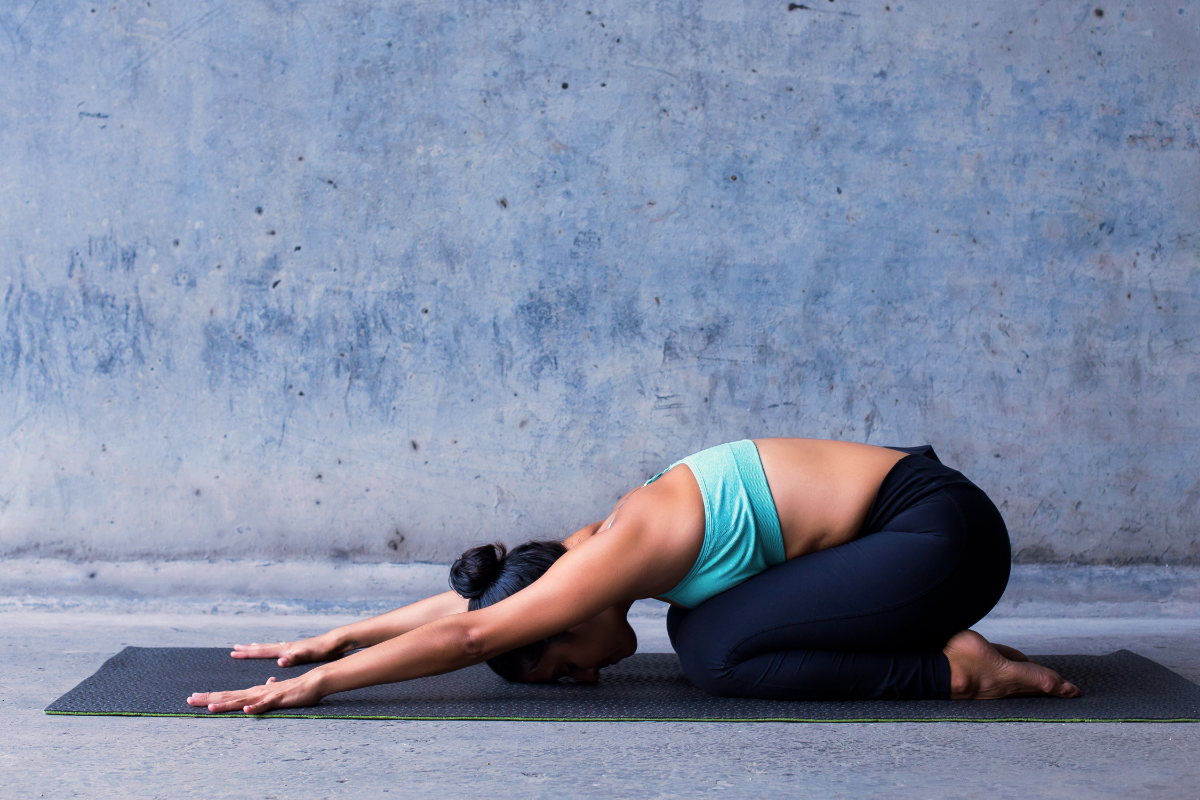
1. Child’s Pose (Balasana)
Instructions:
- Begin in a kneeling position with your big toes together and sitting on your heels.
- Bend forward, extending your arms in front of you or resting them alongside your body.
- Let your forehead rest on the floor and focus on deep breathing.
Benefits:
Child’s Pose opens the chest and improves lung capacity, helping to ease breathing difficulties and relieve sinus pressure.
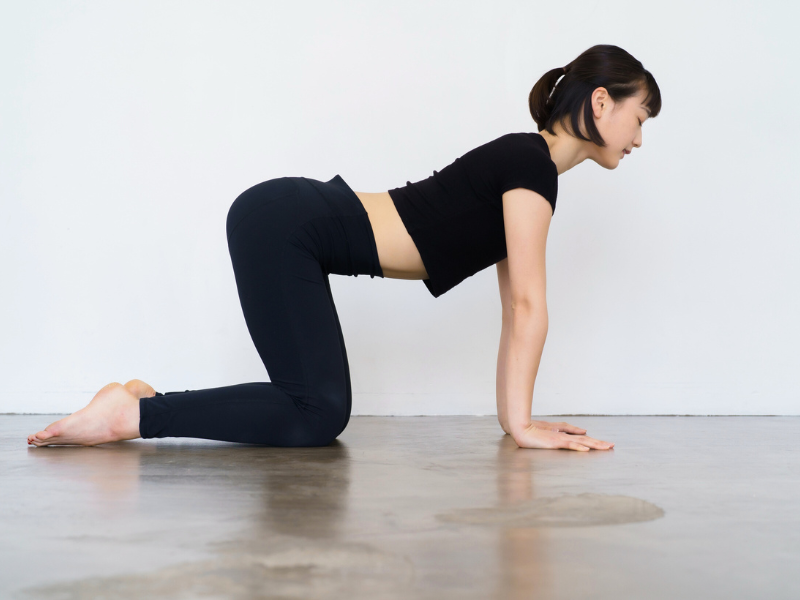
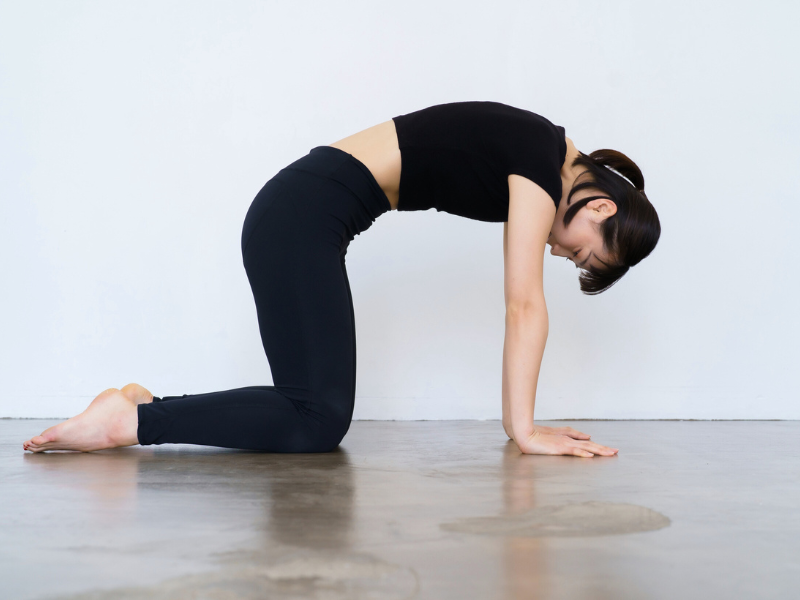
2. Cat-Cow Stretch (Marjaryasana-Bitilasana)
Instructions:
- Start in a tabletop position on your hands and knees.
- Inhale as you arch your back (Cow), lifting your head and tailbone.
- Exhale while rounding your spine (Cat), tucking your chin and drawing your belly in.
- Continue this movement back and forth for several breaths.
Benefits:
Cat-Cow stimulates the respiratory system, promoting deeper breaths to help clear congestion and alleviate neck pain and back tension.
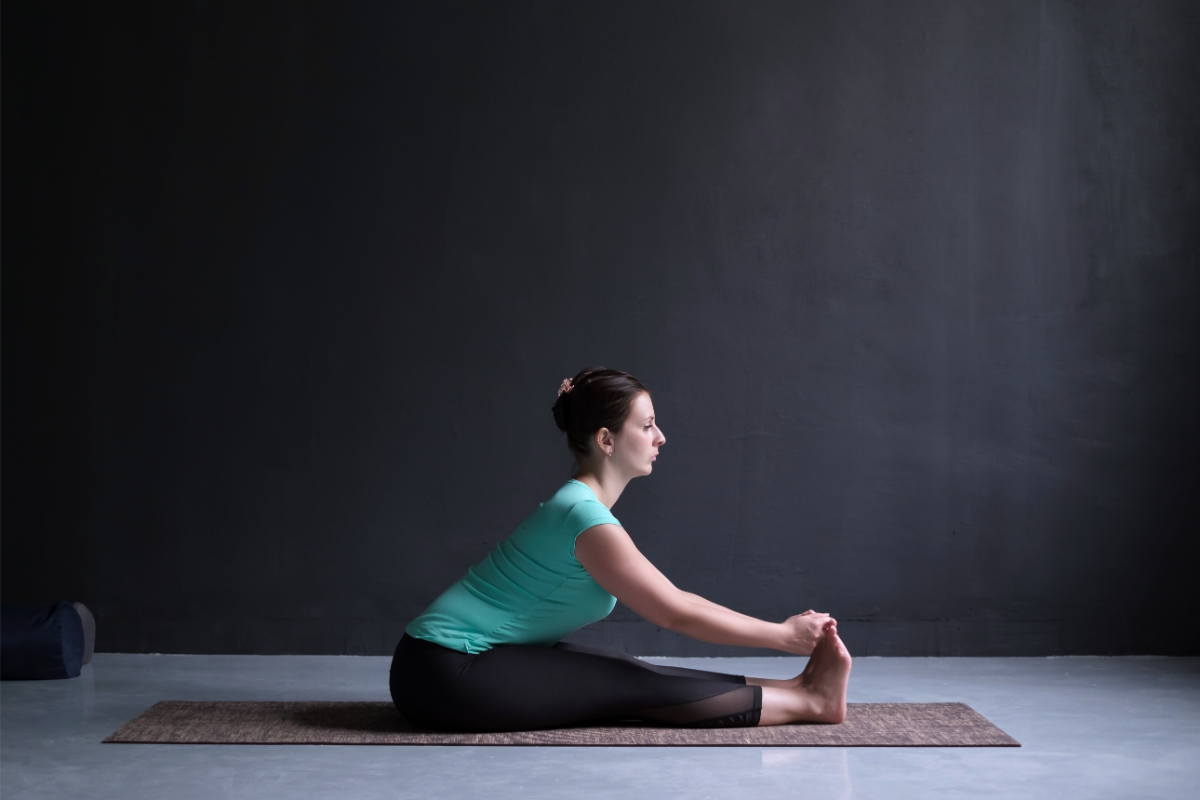
3. Seated Forward Bend (Paschimottanasana)
Instructions:
- Sit with your legs extended in front of you and feet flexed.
- Inhale, reaching your arms overhead, lengthening your spine.
- Exhale and hinge at the hips to reach toward your feet or shins.
Benefits:
This pose helps calm the nervous system, reduce stress and anxiety, and relieve tension in the upper body, aiding in alleviating headaches and sinus pressure.
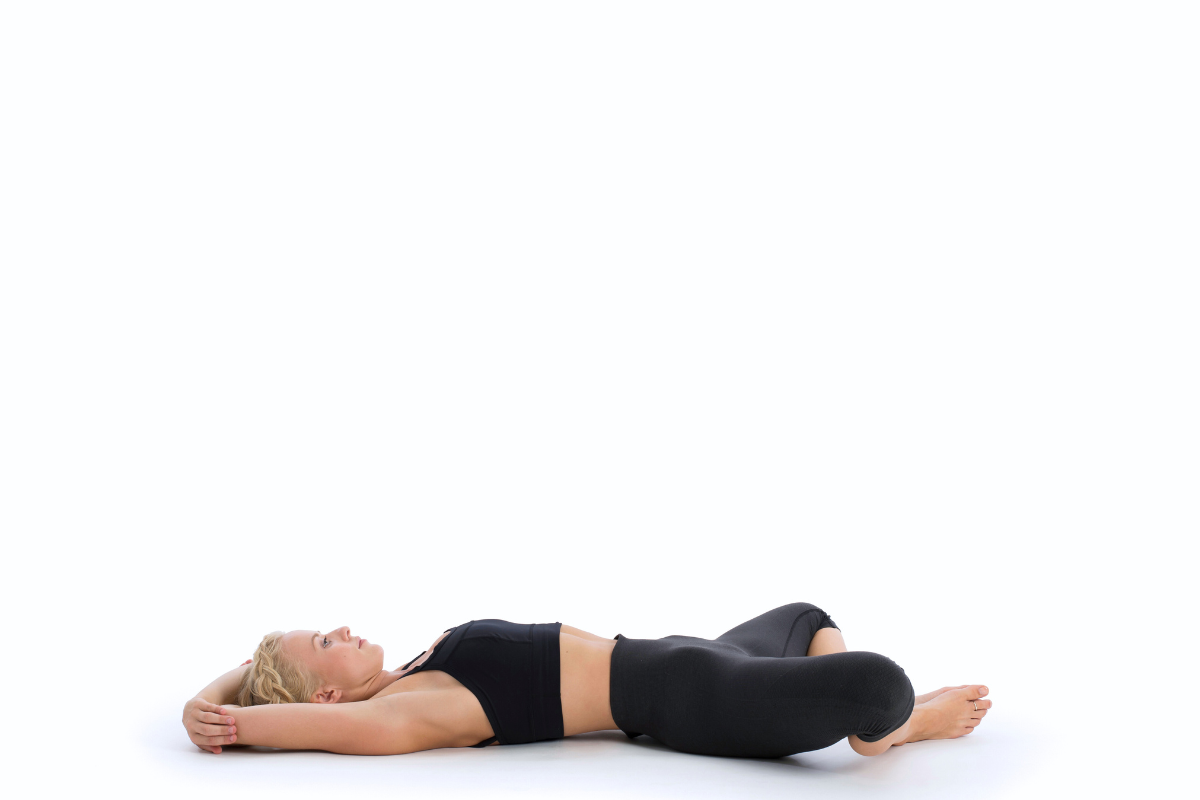
4. Reclining Bound Angle Pose (Supta Baddha Konasana)
Instructions:
- Lie on your back and bring the soles of your feet together, allowing your knees to fall out to the sides.
- Place your arms at your sides, palms facing up, or take your arms over your head and hold your opposite elbows and close your eyes.
Benefits:
Reclining Bound Angle Pose opens the hips and promotes relaxation, encouraging deep breaths that help relieve congestion and soothe the throat.
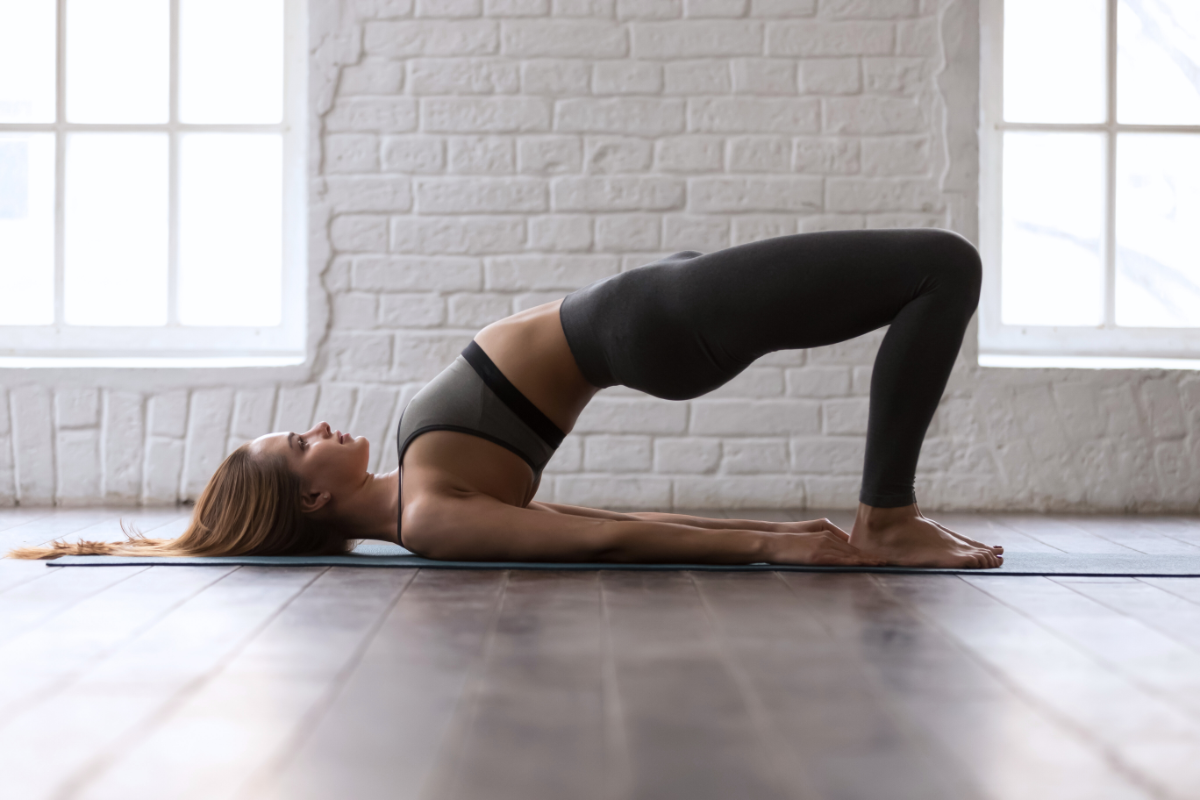
5. Bridge Pose (Setu Bandhasana)
Instructions:
- Lie on your back with your knees bent and feet flat on the floor, hip-width apart.
- Press your feet into the ground, inhale, and lift your hips towards the ceiling, keeping your hands undernath your back with palms down or hands interlocked.
- Hold for several breaths before gently lowering back down.
Benefits:
Bridge Pose opens the chest and helps improve circulation, which can support the immune system. It also promotes deep breathing, helping to clear the airways and relieve feelings of congestion.
Takeaway
Incorporating yoga into your routine while battling cold, flu, or even walking pneumonia can be a game-changer for your recovery. These five simple stretches provide both physical and mental relief, helping to ease tension, improve circulation, and promote better breathing. Remember to stay hydrated and rest as needed while practicing these stretches, as they are designed to complement your recovery efforts.
So, the next time you’re under the weather, consider setting aside some time for these stretches and discover how yoga can play a pivotal role in alleviating your cold and flu symptoms. Your body will thank you for it!