
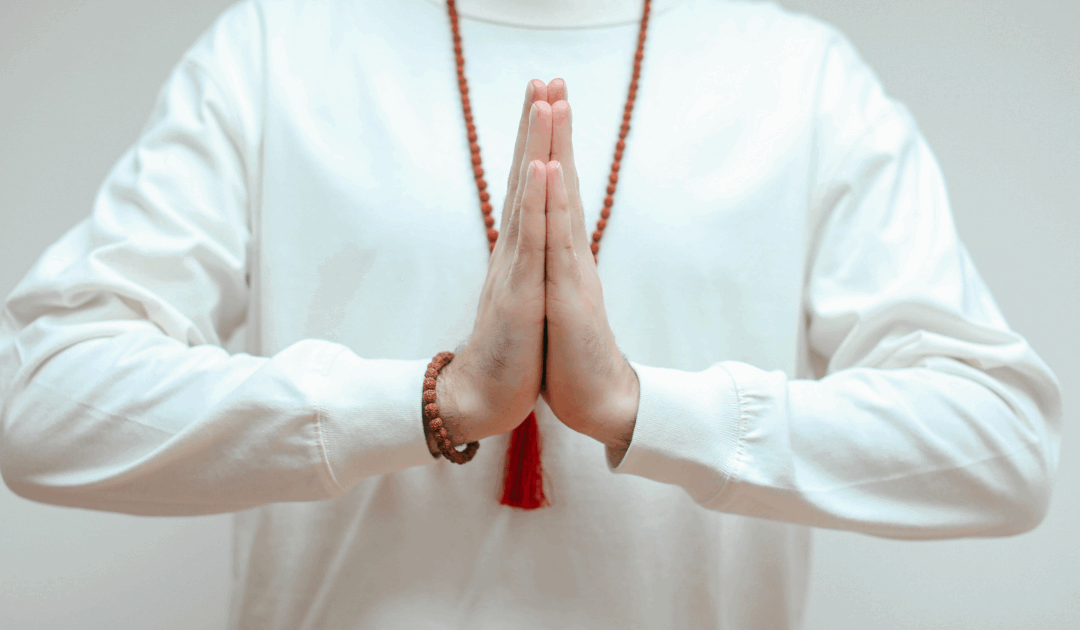
Namaste is a term often heard in yoga classes, often accompanying the closing of a session or as a form of greeting. While it may seem like just a simple word, its meaning carries profound significance, both in the context of yoga and in broader cultural traditions. Originating from Sanskrit, Namaste is a respectful greeting that conveys deep reverence, acknowledging the divine essence in oneself and in others.
In the practice of yoga, the term encapsulates the essence of connection, unity, and acceptance. Understanding what Namaste truly means can enrich one’s yoga practice, deepen personal connections, and foster a greater sense of community. This exploration of Namaste delves into its linguistic origins, cultural implications, and the role it plays within the practice of yoga.
Linguistic Origins of Namaste
The term Namaste is derived from the Sanskrit language, made up of two components: Nama, meaning to bow, and te, meaning to you. Thus, a literal translation of namaste is “I bow to you”. This humble greeting reflects respect, gratitude, and acknowledgment of another person’s presence. Within this simple phrase lies the recognition of the inherent divinity in everyone, an acknowledgment that transcends cultural, geographical, and spiritual boundaries.
In traditional Indian culture, namaste is often used in daily interactions, symbolizing politeness and respect. When a person greets another with the word namaste, they usually accompany it with a gesture called Anjali Mudra, where the palms are pressed together in front of the heart, fingertips pointing upwards. This gesture serves to create a connection between the two individuals, symbolizing unity and harmony.
Cultural Significance of Namaste
In India and Nepal, Namaste is more than just a word; it embodies an entire philosophy. It is a way of acknowledging the interconnectedness of all beings. This cultural practice reflects the Indian philosophy of Atman, which posits that the divine resides in each individual. Therefore, when one says Namaste, they honor the sacredness within each person, recognizing that we are all manifestations of the same universal energy.
The use of Namaste extends beyond yoga studios and is prevalent in various social settings, including formal greetings, farewells, and expressions of gratitude. In religious and spiritual contexts, Namaste signifies a deep respect for the principles of humility, love, and compassion. By recognizing and honoring the divine in others, individuals cultivate a sense of oneness that transcends ego and individuality.
Namaste in the Context of Yoga
Within the context of yoga, namaste plays a crucial role in fostering a spirit of connection among practitioners. It serves as a reminder that yoga is not solely a physical practice but also a spiritual journey that emphasizes unity, compassion, and self-awareness. When practitioners greet each other or thank their teacher with namaste, they acknowledge the shared experience of the practice and the collective energy that emerges.
In many yoga classes, instructors conclude sessions with the phrase Namaste, inviting participants to reflect on their practice and the interconnectedness of all beings. By bowing and saying Namaste at the end of a class, practitioners honor their own efforts and those of others, recognizing that each individual’s journey is unique yet shared in a communal space.

The Spiritual Aspect of Namaste
At its core, namaste serves as a reminder of the spiritual principles that underpin yoga. The word encourages practitioners to cultivate qualities such as compassion, love, and understanding. By recognizing the divine presence within themselves and in others, individuals can transcend their ego and connect with their higher selves.
In yoga, practitioners often explore various dimensions of their being, aiming to align their body, mind, and spirit. Namaste reinforces the importance of self-awareness and mindfulness, encouraging practitioners to engage with their thoughts and emotions with an open heart. This practice of acknowledging one’s true essence fosters a deeper connection to the self and to the collective energy of the universe.
Namaste as a Gesture of Gratitude
In addition to its linguistic and cultural significance, namaste embodies a sense of gratitude. When practitioners express namaste, they convey appreciation for the guidance and wisdom imparted by their teachers, as well as the shared space and experiences within the class. This expression of gratitude serves to cultivate humility and recognition of the contributions of others in one’s journey.
Moreover, namaste encourages individuals to acknowledge their own growth and transformation throughout their yoga practice. By bowing in respect to oneself, practitioners honor their own efforts, resilience, and commitment to self-improvement. This dual expression of gratitude reinforces the interconnectedness of personal growth and the collective experience within the yoga community.
Expanding the Concept of Namaste
While namaste is deeply rooted in Indian culture and philosophy, its principles can extend beyond the realm of yoga. The sentiment behind namaste encourages individuals to embrace a mindset of acceptance and compassion in their everyday lives. By recognizing the divine in others, people can foster meaningful relationships, promote inclusivity, and cultivate a harmonious society.
Namaste can also serve as a framework for mindfulness in daily interactions. When individuals approach others with a sense of reverence and empathy, they contribute to creating an environment that values connection and understanding. This approach can be particularly impactful in a world often marked by division, allowing for greater compassion and respect among diverse communities.
Integrating Namaste into Daily Life
To fully embrace the meaning of namaste in yoga and beyond, practitioners can integrate its principles into their daily lives. By practicing mindfulness and recognizing the humanity in others, individuals can infuse their interactions with kindness and compassion. Small gestures, such as offering a genuine smile or a helping hand, can embody the spirit of namaste and contribute to a more connected community.
Moreover, individuals can use the practice of namaste as a tool for self-reflection. Taking a moment to bow to oneself in gratitude for personal efforts, growth, and achievements can create a sense of grounding and self-acceptance. This practice can empower individuals to embrace their unique journey and recognize the importance of their contributions to the collective experience.
Namaste in a Global Context
The globalization of yoga has brought Namaste into the awareness of individuals worldwide, transcending cultural barriers. In this context, understanding and honoring its deeper meanings becomes essential. As yoga continues to evolve and adapt across cultures, practitioners must remain mindful of the term’s origins and significance.
By approaching Namaste with respect and understanding, individuals can appreciate its roots while also embracing the universal themes of connection and unity that resonate with people globally. As the practice of yoga spreads across communities, nurturing a sense of appreciation for different cultures can promote a more inclusive and respectful global environment.

Namaste and Mindfulness Practice
Incorporating the essence of namaste into meditation and mindfulness practices can enhance the overall experience for practitioners. As individuals meditate, they can reflect on the interconnectedness of all beings and harness a sense of compassion for themselves and others. This mindfulness practice can be particularly impactful during difficult emotions or challenges, reminding individuals to approach their feelings with kindness and acceptance.
In essence, the practice of namaste can be seen as a form of active mindfulness. By consciously acknowledging the divine in oneself and in others, practitioners cultivate a deeper awareness of their surroundings and the relationships they nurture. This heightened sense of consciousness can lead to profound transformations in one’s approach to life, facilitating greater empathy and understanding in all interactions.

Takeaway
Namaste is much more than a greeting; it is a profound expression of respect, unity, and gratitude that transcends cultural and spiritual boundaries. Its significance in the practice of yoga serves to remind practitioners of the interconnectedness of all beings, fostering a spirit of compassion and acceptance. By embracing the principles of namaste in daily life, individuals can cultivate deeper connections with themselves and others, ultimately creating a more harmonious and inclusive community.
As the practice of yoga continues to evolve and spread globally, honoring the essence of namaste becomes increasingly important. By appreciating its cultural roots while embracing its universal themes of connection and love, practitioners can work towards fostering an environment that values nurturing relationships and shared experiences. In a world that often feels disconnected, the principles embodied in namaste serve as a beacon of hope, encouraging individuals to recognize the divine in themselves and in one another, paving the way for a more compassionate and unified existence.