

Kundalini meditation is a transformative practice rooted in ancient yoga traditions, designed to awaken the dormant energy believed to reside at the base of the spine. This powerful form of meditation combines various techniques such as breath control (pranayama), chanting (mantras), and specific postures (asanas) to facilitate spiritual growth, self-awareness, and inner peace. As more people seek holistic approaches to health and well-being, kundalini meditation has gained popularity for its potential benefits, including enhanced creativity, emotional balance, and improved mental clarity.
However, embarking on this journey requires careful consideration, as the intensity of the practice can lead to physical and psychological challenges if not approached properly. Understanding the risks and knowing how to engage in kundalini meditation safely is essential for beginners and seasoned practitioners alike. In this article, we will explore the essence of kundalini meditation, the benefits it offers, potential dangers, and guidelines for safe practice. By equipping yourself with the knowledge necessary to navigate this spiritual path, you can harness the power of kundalini energy while minimizing risks, allowing for a more enriching and fulfilling meditation experience.

What is Kundalini Yoga or Meditation?
Kundalini meditation is a profound spiritual practice that seeks to awaken the dormant spiritual energy that lies at the base of the spine. This form of meditation intertwines ancient traditions with modern mindfulness techniques, drawing practitioners from around the globe who are in search of deeper self-awareness and transformation. As more individuals explore the multifaceted benefits of this meditation style, it is essential to understand both the potential dangers and the safe practices that can enhance your experience. This comprehensive guide will delve into what kundalini meditation is, how to practice it properly, its benefits, and important safety precautions.
Understanding Kundalini Energy
Kundalini is often depicted as a coiled serpent resting at the base of the spine. In the context of yoga and meditation, it symbolizes the latent energy within every individual. When awakened, this energy rises through the chakras, or energy centers, along the spine, leading to spiritual enlightenment and heightened consciousness. The experience can be transformative, offering insights into one’s true self and purpose.
Benefits of Kundalini Meditation
Kundalini meditation offers a plethora of benefits that can improve both mental and physical well-being. Some of the key benefits include:
Enhanced Self-Awareness
Practicing kundalini meditation encourages deep introspection and self-discovery, allowing individuals to connect with their true selves.
Emotional Balance
By releasing emotional blockages, practitioners often experience greater emotional stability, reducing anxiety and depression.
Increased Creativity
The awakening of kundalini energy can stimulate creativity, opening pathways for inspiration and innovative thinking.
Spiritual Growth
Engaging with kundalini practices enhances spiritual development, fostering a deeper connection to the universe and one’s higher self.
Improved Focus and Clarity
Regular practice can lead to sharper concentration and mental clarity, aiding in decision-making and problem-solving.
Physical Benefits
Kundalini meditation can improve physical health by promoting relaxation, reducing stress levels, and enhancing overall vitality.
How to Practice Kundalini Meditation?
Preparation
Find a Quiet Space
Choose a tranquil environment to minimize distractions. Ensure the area is comfortable and conducive to meditation.
Set an Intention
Before beginning, reflect on your goals for the meditation. Setting a clear intention helps focus your energy.
Choose the Right Time
Many practitioners find morning is the best time for meditation, as it sets a positive tone for the day.
Basic Techniques
Breathwork (Pranayama)
Start with specific breathing exercises to help calm the mind and body. One popular technique is the Breath of Fire, which involves rapid, rhythmic breaths.
Mantras
Use sacred sounds or phrases to enhance your meditation. Repeating a mantra can help anchor your focus and elevate your vibrational frequency.
Asanas
Incorporate yoga postures that open the chakras and promote energy flow. Some common asanas for kundalini meditation include sat kriya, cobra pose, and lotus pose.
Meditation
Once you’ve warmed up with breathwork and asanas, settle into a comfortable seated position. Close your eyes, focus on your breath, and allow your mind to quiet. Visualize the energy rising through your chakras.
End Gently
After your session, take a few moments to return to the present. Reflect on your experience and express gratitude for your practice.
Dangers of Kundalini Meditation
While kundalini meditation can be highly beneficial, it is crucial to recognize potential dangers:
Emotional Turbulence
The awakening of kundalini energy can bring unresolved emotions to the surface, leading to emotional disturbances or upheaval.
Physical Discomfort
Some practitioners may experience physical sensations such as shaking, heat, or discomfort as the energy rises through the body.
Psychological Effects
In some cases, intense experiences during kundalini awakening can lead to anxiety, confusion, or even psychotic episodes if not handled properly.
Spiritual Bypassing
Practitioners may neglect real-life issues in favor of spiritual experiences, leading to imbalances in personal and professional life.
Misinterpretation of Experiences
Without proper guidance, individuals may misinterpret physical or emotional sensations as signs of spiritual progress, causing confusion and distress.
How to Safely Practice Kundalini Meditation?
Find Qualified Guidance
Seeking instruction from a qualified teacher or attending workshops can provide invaluable insights and support. A knowledgeable guide can help navigate the complexities of kundalini energy and ensure safe practices.
Listen to Your Body
Pay attention to your body’s signals during meditation. If you experience discomfort, pause and take a break. It’s essential to honor your limits and not push yourself beyond what feels right.
Start Slowly
For beginners, it’s important to ease into kundalini practices. Gradually incorporate breathwork, mantra, and asanas into your routine instead of diving into intense sessions.
Combine with Grounding Practices
Incorporate grounding practices such as mindfulness, nature walks, or gentle yoga to balance the intense energy of kundalini meditation. These practices can help maintain overall well-being.
Journal Your Experience
Documenting your feelings and experiences after each session can help you process emotions and discern patterns in your practice. Keeping a journal allows for reflection and growth.
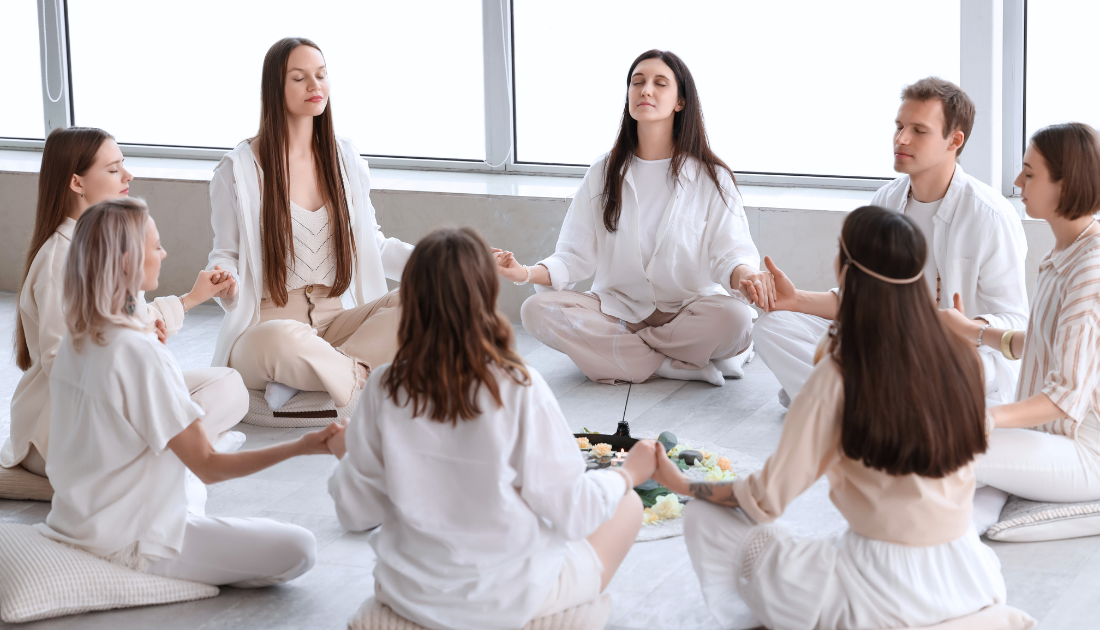
Establish a Support System
Whether through meditation groups, friends, or online communities, create a support system to share experiences and seek advice. Connecting with others can provide encouragement and understanding.
Takeaway
Kundalini meditation is a powerful practice that can lead to profound personal transformation, spiritual awakening, and enhanced well-being. By understanding the essence of kundalini energy, recognizing the potential dangers, and following safety guidelines, you can create a fulfilling and enriching meditation experience. Embrace the journey of self-discovery and harness the power of kundalini energy to elevate your spiritual practice and overall quality of life. Whether you are a novice or an experienced practitioner, the key is to approach kundalini meditation with mindfulness, respect, and a commitment to personal growth.