

 By
By What is Slow Living?
Slow living is all about accepting a more mindful and intentional way of life, allowing you to enjoy each moment rather than rushing through your days. Slow living allows you to find joy in simple things and remain present and mindful in your daily activities. In simple words slow living emphasizes slowing down in life and spending the right amount of time doing things that truly matter to you.
History of Slow Movement?
Slow movement started in the late 1980s with the Slow Food Movement in Italy by Carlo Petrini. This was in response to the rising fast-food culture in Italy, especially when a McDonald’s was planned to open near a historic site in Rome. Petrini and others realized that it is important to preserve local foods, support farmers and promote the use of traditional cooking methods.
Later this concept expanded to encompass other aspects of life, encouraging mindfulness and being present and valuing quality over speed. In the 1990s and 2000s, the slow movement became more popular and started influencing other areas such as fashion, travel, education, and work. Today, the movement encourages individuals to slow down, live in the moment appreciate the present, and find a healthy balance in their daily lives.
Breaking Free from Autopilot
Today most of us are living on auto pilot without much awareness or intention. I mean doing things out of habit rather than consciously choosing them. For example, you wake up in the morning and immediately check your phone without thinking, you eat your meals scrolling your phone not really enjoying their taste. At the end of the day someone asks you, “How was your day” and you struggle to answer. Your day was full of activity but you were not fully present for most of it so your brain is not able to register those moments.
Being on auto pilot is not that bad. Your brain saves energy by turning repeated actions into habits but if too much of your life operates this way, you may feel disconnected, constantly rushed and even feel like time is slipping by too quickly. However, by making small adjustments in your life you can choose a path of calmness and connection over the hustle of modern living.
How do You Practice Slow Living?



Slow living is not just about habits but how you experience and enjoy your day. This is how those habits can look in real life.
Starting your day slowly
Instead of checking your phone first thing after you wake up or rushing out of bed give a gentle start to your day. You could sit quietly with your morning drink, observe the morning light, do some stretches, yoga, or meditate. This gentle pause will set a calmer tone for the whole day. Tell yourself, “I don’t have to chase the day”
Stop Multi-tasking
Modern life encourages multitasking, but it often leaves you feeling unfocused and distracted. Slow living allows you to give full attention to one thing – whether it is exercising, listening to music cooking or replying to an email. You will observe that focusing on a single task can help you finish it efficiently and with less mental stress.
Walking with awareness
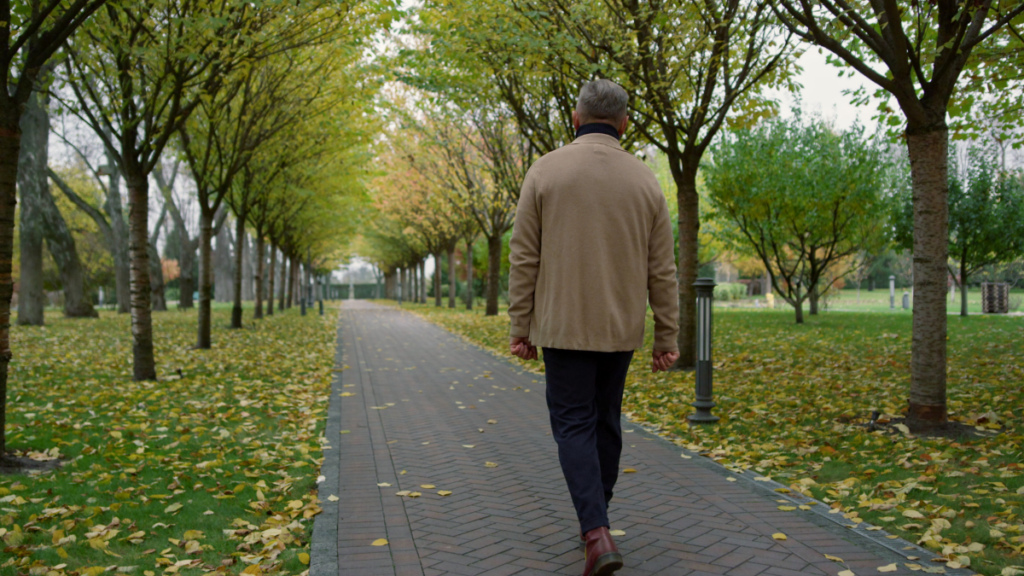
Go for a short walk, observe the sounds around you, notice everything you would otherwise miss like the texture of the ground beneath you, the coolness or warmth of the air, smell of flowers, colors around you, may be sounds like birds, traffic, or conversations. Even something so ordinary like a short walk can turn into a moment of calm and clarity.
Cooking
Cooking can be such an amazing mindful activity because it is all about engaging in your senses. As you wash, cut and chop vegetables you start noticing their color, texture and shapes. The aroma of spices and herbs, the sizzling sound, the warmth from the stove create a rich sensory experience which keeps you engaged. So, cooking is not only about preparing food, but it can turn into a grounding ritual that can help you slow down and fully experience the moment.
Being present in conversations
While you are having a conversation with someone focus on what they are saying, listen to them intently instead of focusing on your reply. Notice everything about the other person while they are talking – their tone, pauses, and expressions. Listening carefully to people can help deepen your relationship because people feel genuinely heard.
Saying no and creating space
Many people feel the need to fill every hour of the day with activities, work and keeping themselves constantly busy. This leaves them with no time to think and rest. Saying no to things that exhaust you or don’t really matter helps you create space in your day. In that empty time you could just rest, sit quietly, do nothing so that your mind and body get some rest, spark creativity, and get reenergized. This empty time is not useless. It can help you feel balanced and refreshed.
Doing things without pressure
Whether its cooking, reading journaling or gardening, the idea is to stay present, and fully present in the moment and experience it fully without the results. You don’t have to be perfect or productive, you just have to focus on the experience and enjoy it.
Setting digital boundaries

Setting digital boundaries is all about setting specific times to use you phone instead of replying to every notification or message instantly. Scrolling and checking your messages throughout the day keeps your mind busy and distracted. So, instead of the mobile take control of you, you decide when and how to use the phone. For example – don’t check your phone first thing in the morning, keep your phone away while eating, sleeping or even talking to someone. This will help your mind get some calm, uninterrupted time and you will feel more present in your daily life.
Ending the day gently
Just like starting your day gently, end your day also in the same tone. Before going to bed, turn off your mobile, dim the lights in your room, reflect on your day, read a book. You can even do some yoga and meditation which can calm your mind and body and prepare you for a deep and restful sleep.
Some Slow Living Hobbies to Practice
Yoga and meditation
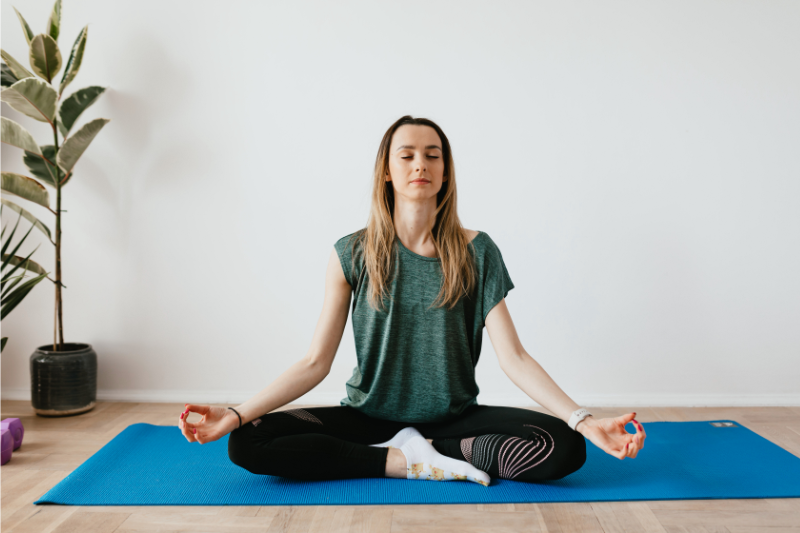

Yoga and meditation help calm the mind and bring your attention to the present moment. These practices encourage you to slow down your breathing and help bring your mind and body in sync.
Knitting and crocheting

Repetitive motions of knitting and crocheting create calming rhythms that help you relax and become more mindful. You also experience a lot of joy when you create something with your hands.
Gardening
Gardening helps you spend time in nature and also teaches you appreciation for natural growth.
Playing an instrument

Playing a musical instrument is an expressive experience which helps you stay present and mindful.
Baking
Measuring, mixing and creating delicious bakes teaches patience and attention. The whole process becomes satisfying with the result.
Journaling
Journaling helps create space for self-awareness. Penning your thoughts down helps you slow down and self-reflect.
Bird Watching
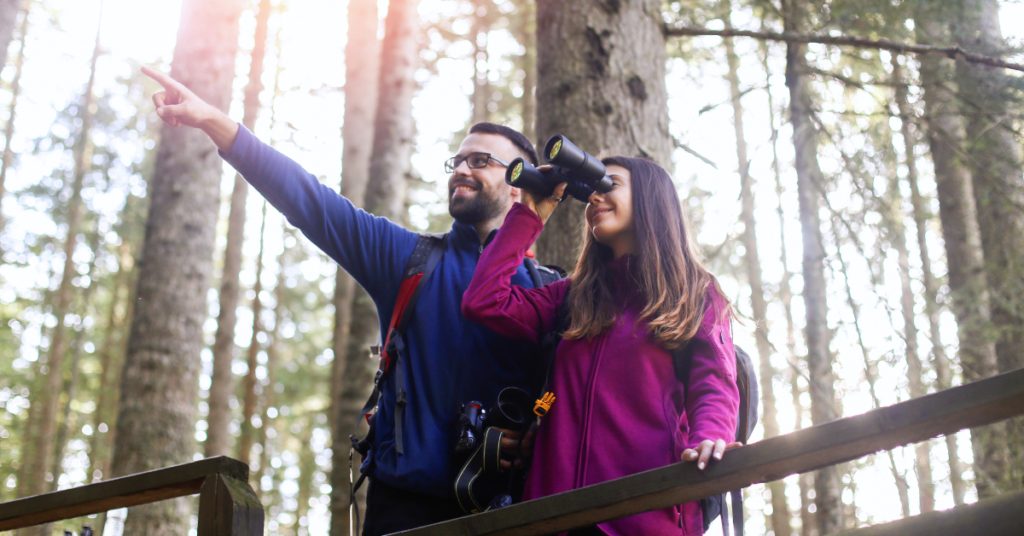
Watching the birds promotes stillness and helps enjoy the beauty of nature around you.
Painting and drawing
These activities draw you in and help you focus. Each stroke is a way of expression, making the process calm and immersive.
Photography
Taking pictures mindfully help you focus on little things which you would have otherwise missed and also help appreciate beauty in everyday life.
Reading
Reading also helps you take a break from constant distractions and slow down.
Takeaway
In the end, slow living is not about doing things slowly but taking notice of how you live each moment. It’s about pausing, and fully experiencing what is happening around you. Slow living does not require you to not being busy or have a full schedule. You can be busy but be fully aware and not let anything go unnoticed.