

 By
By In today’s fast-paced world, where many of us spend hours hunched over computers or smartphones, poor posture is increasingly common. It not only affects our physical appearance but can also lead to various health issues. Yoga is a powerful tool that can help improve your posture. Lets explore seven yoga poses to help you find better posture and address some common questions like: Can you fix your posture with yoga? Can you correct years of bad posture?
Understanding Posture
Before diving into yoga techniques, it’s essential to understand what good posture looks like. Good posture aligns the ears, shoulders, hips, knees, and ankles. It helps distribute body weight evenly and minimizes unnecessary strain on muscles and ligaments.
Can You Fix Your Posture with Yoga?
Correcting years of bad posture is achievable, though it requires time, consistency, and dedication. Yoga helps rebuild strength in weak muscles, increases flexibility in tight areas, and develops body awareness. It’s essential to approach this journey with patience and mindfulness. As you engage in yoga, you may notice improvements not only in your posture but also in your overall body mechanics and alignment.
Regular practice fosters a deeper understanding of how your body moves, allowing you to identify and address specific habits that contribute to poor posture. Working under the guidance of a qualified instructor can further enhance your progress, providing personalized insights tailored to your needs. Ultimately, persistence in your yoga practice can lead to significant long-term benefits, transforming both your posture and your overall well-being.
What Type of Yoga is Best for Posture?
When it comes to improving posture, certain types of yoga are particularly beneficial. Hatha yoga, known for its focus on physical postures (asanas) and alignment, is an excellent choice for beginners. It emphasizes the fundamental poses that can help strengthen and lengthen the muscles needed for better posture. Iyengar yoga is another effective option, as it focuses on precise alignment and the use of props to ensure each pose is performed correctly. This type of yoga encourages practitioners to hold poses longer, allowing for deeper muscle engagement and awareness.
Vinyasa yoga, characterized by flowing sequences, is also beneficial as it promotes strength and flexibility while encouraging mindful movement. The dynamic nature of Vinyasa can help you develop better coordination and body awareness, which are essential for maintaining proper posture.
Restorative yoga is valuable for relaxing tight muscles that contribute to slouching, making it easier to find alignment. Regardless of the style you choose, consistency is crucial. A well-rounded practice that incorporates various styles can provide the strength, flexibility, and awareness needed to correct postural imbalances effectively, leading to a healthier, more aligned body over time.
How Long Does It Take to Improve Your Posture?
The time required to improve your posture through yoga can vary significantly based on individual circumstances. Factors such as the severity of your postural issues, frequency of practice, and your overall commitment play crucial roles in determining how quickly you will see results. Typically, with consistent practice, noticeable improvements can occur within a few weeks. Practicing yoga 3-4 times a week, focusing on poses that strengthen and stretch the necessary muscle groups, can yield positive changes in your posture.
In addition to your yoga practice, being mindful of your posture throughout the day is essential. Small adjustments while sitting, standing, or walking can enhance your results and expedite your progress.
For lasting improvements, it may take several months of dedicated practice to fully correct longstanding postural habits. It’s important to approach this journey with patience and realistic expectations. Regularly tracking your progress can help you stay motivated and aware of the positive changes in your body. Ultimately, the key to improving your posture lies in consistency and a commitment to maintaining an aware and aligned body.
7 yoga poses to help you find better posture
1. Plank Pose (Kumbhakasana):
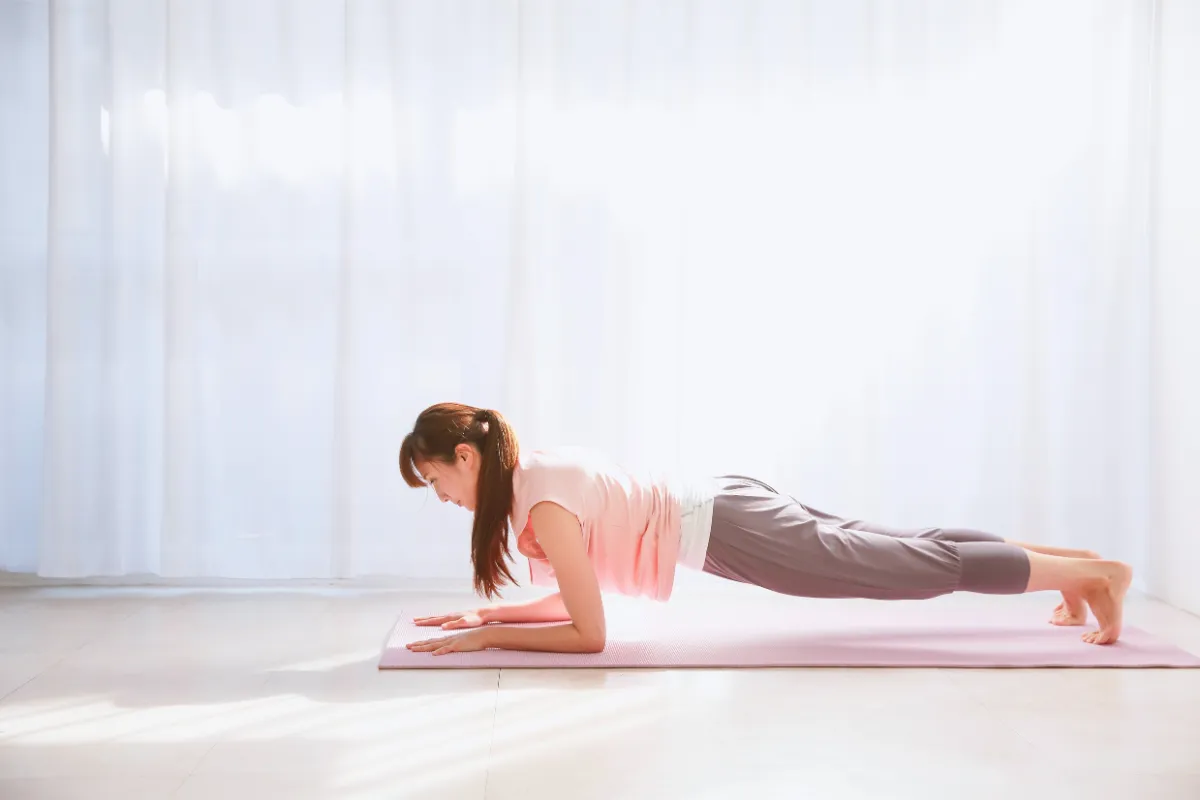
Engages the entire core.
2. Warrior II (Virabhadrasana II):
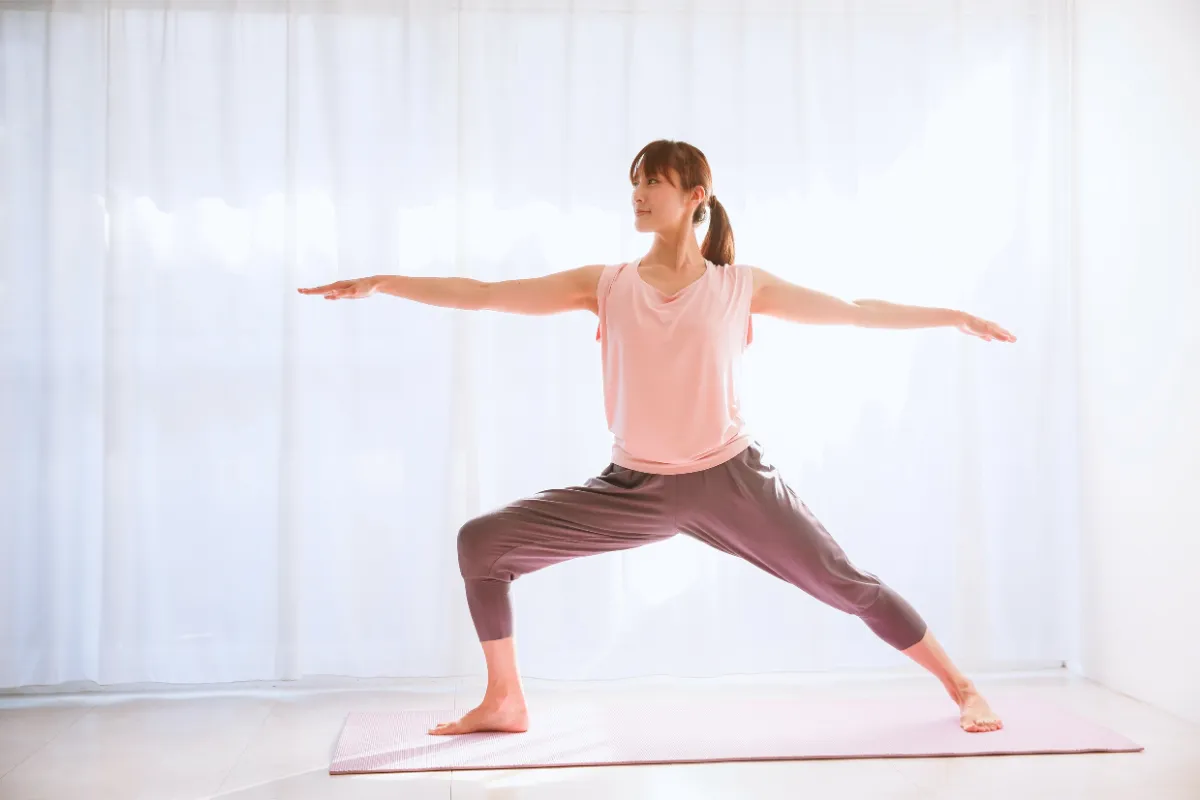
Strengthens the legs and opens the hips.
3. Bridge Pose (Setu Bandhasana):
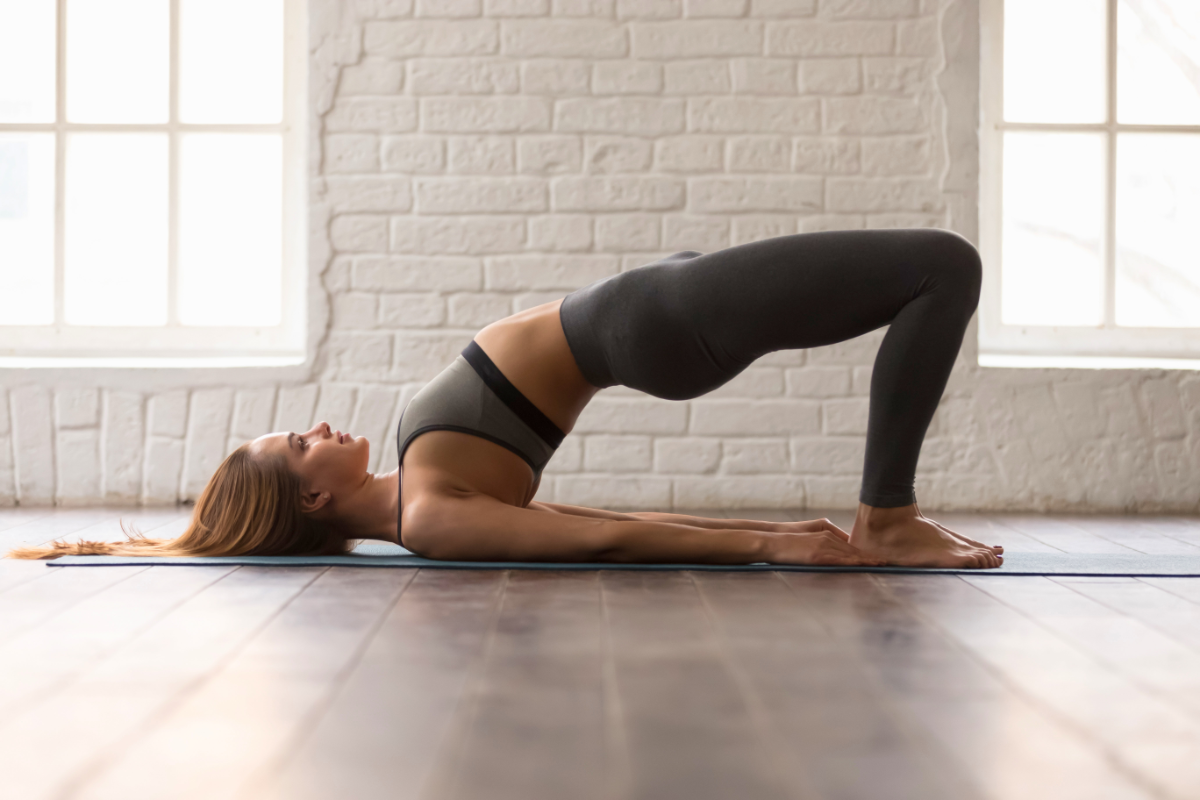
Strengthens the back and glutes, promoting spinal alignment.
4. Downward-Facing Dog (Adho Mukha Svanasana):
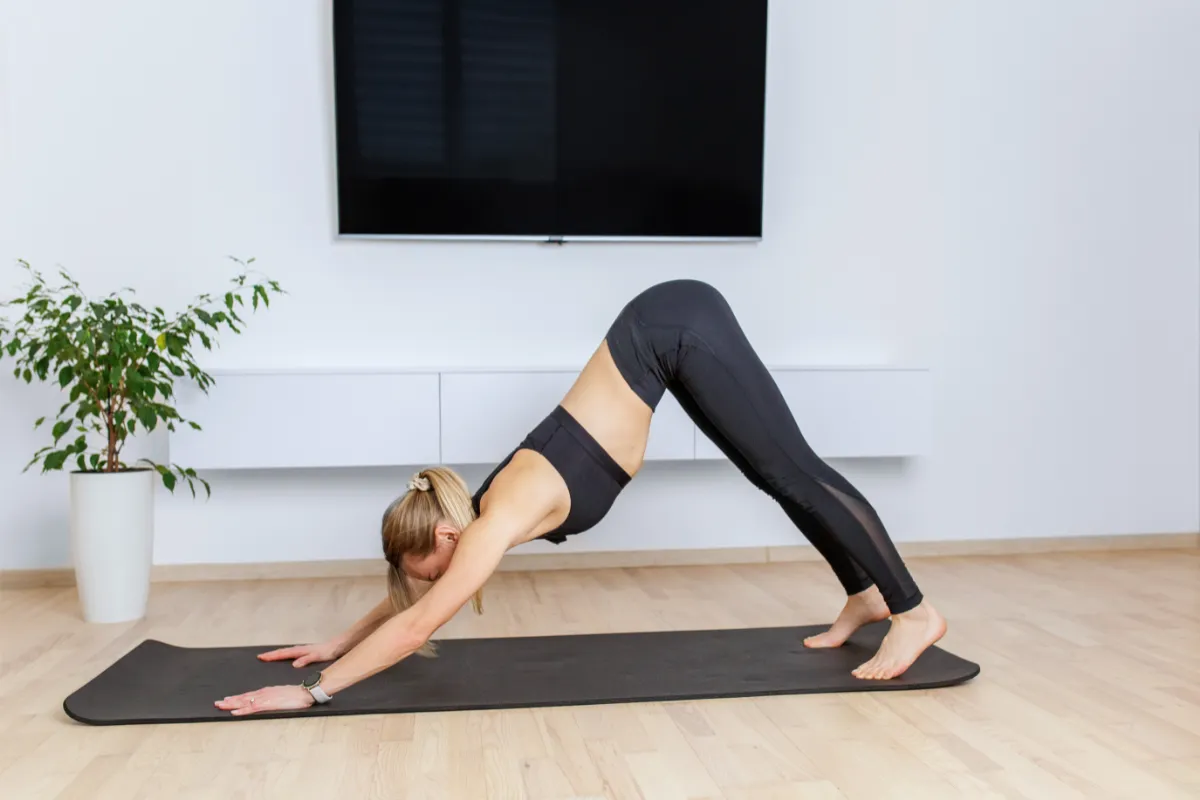
Lengthens the spine and stretches the back legs.
5. Forward Fold (Uttanasana):
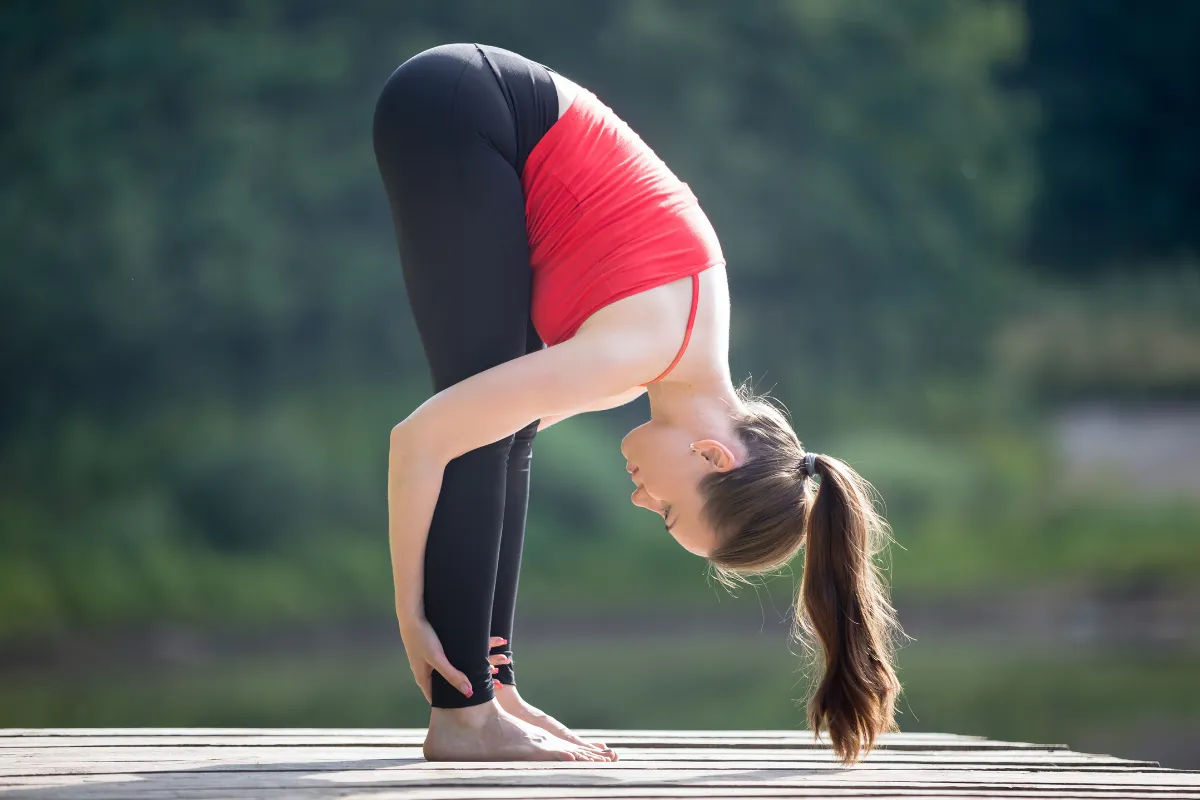
Stretches the hamstrings and lower back.
6. Seated Forward Bend (Paschimottanasana):
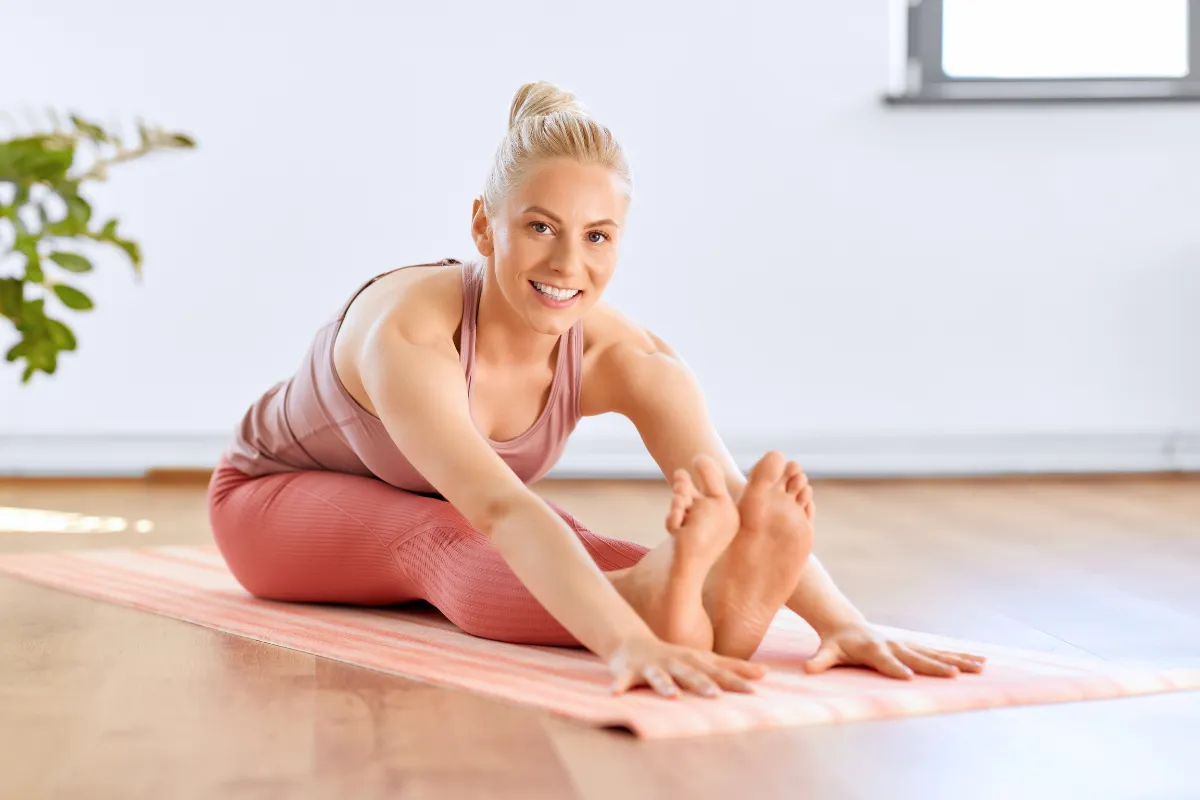
Opens the lower back and hamstrings.
7. Cat-Cow Stretch (Marjaryasana-Bitilasana):
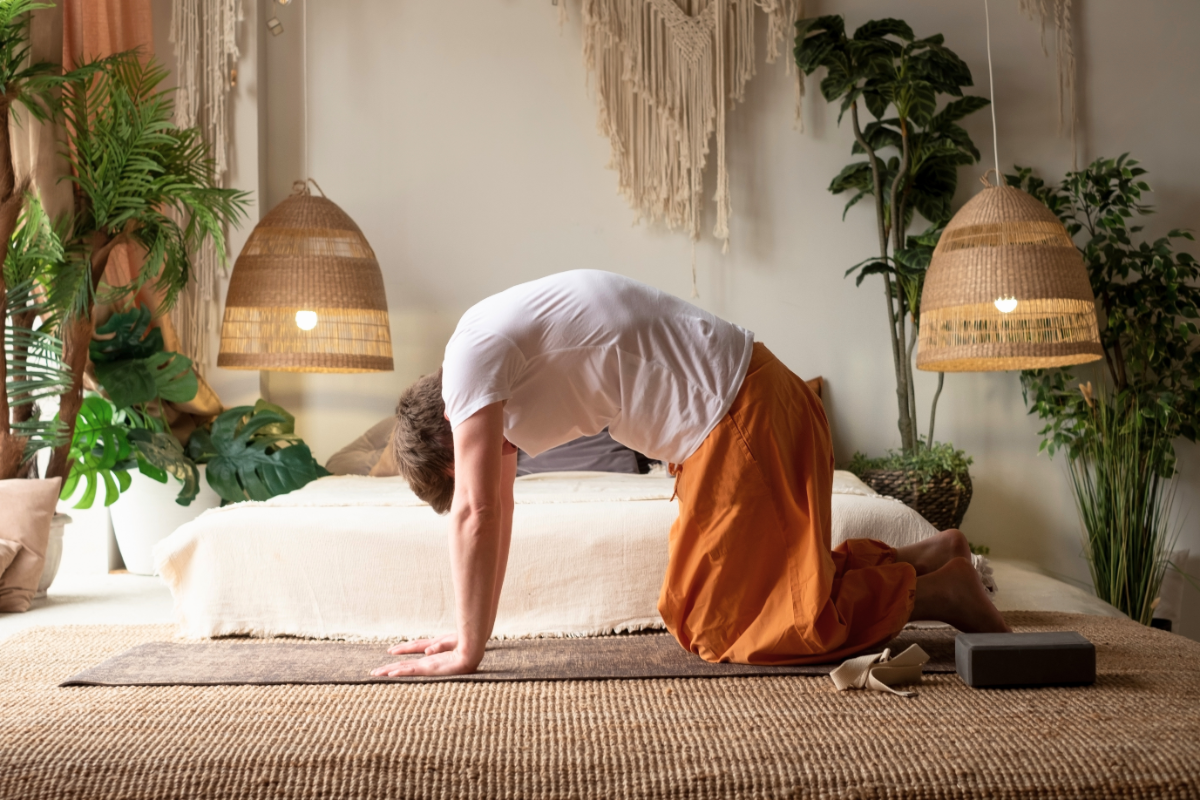
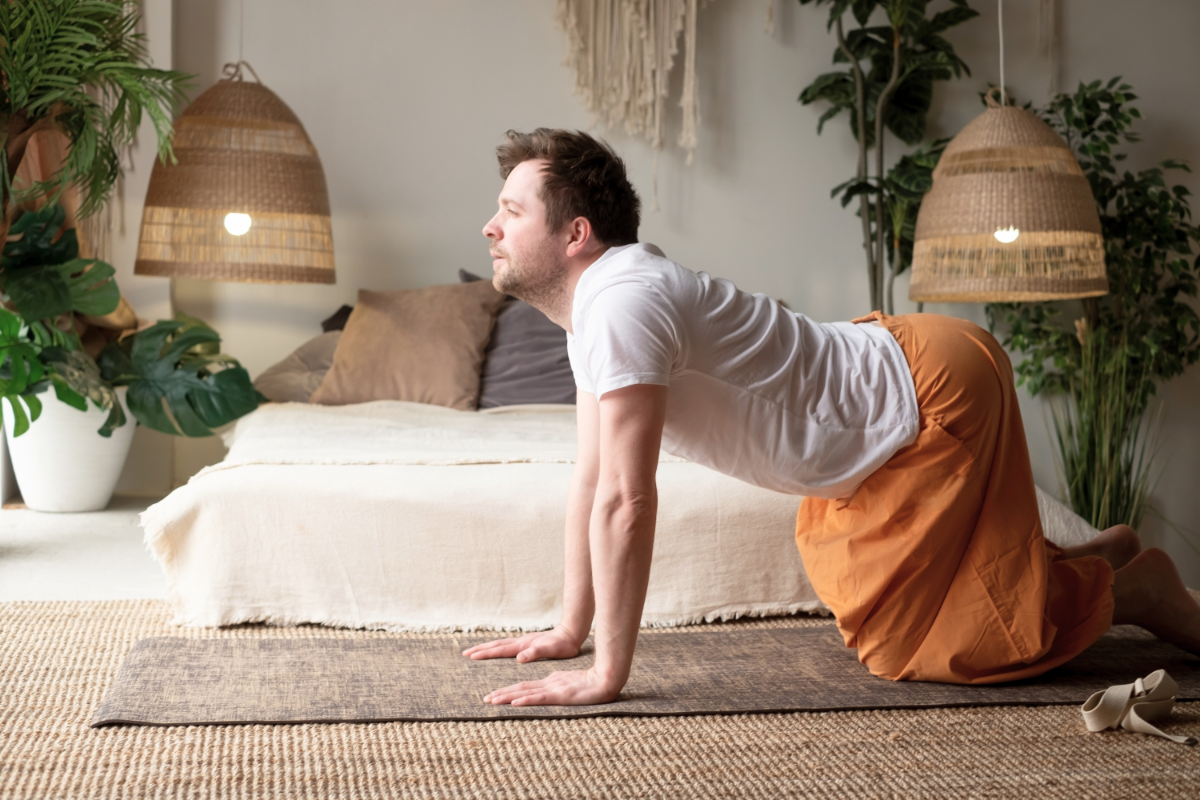
Enhances spinal flexibility.
Steps to Correct Bad Posture:
Regular Practice
Consistency is key. Aim for at least 3-4 sessions per week.
Seek Guidance
Consider attending classes with a qualified instructor who can provide personalized feedback.
Be Mindful
Pay attention to your posture throughout the day, not just during yoga practice.
Incorporate Strengthening Exercises
Focusing on yoga poses that strengthen the core, back, and shoulders is critical for improving posture. A strong core supports the spine and promotes an upright position.
Increase Flexibility
Tight muscles can lead to poor posture. Regular yoga practice increases flexibility in areas such as the hamstrings, hip flexors, and shoulders, reducing tension and promoting alignment.
Focus on Body Awareness
Yoga encourages mindfulness and body awareness. Practicing this awareness can help you identify when you’re slouching or misaligned, allowing you to correct your posture throughout the day.
Mindfulness Tips:
Check-In Regularly
Set reminders to assess your posture during daily activities.
Practice Breathing Exercises:Focusing on your breath can enhance relaxation and awareness of your body.
Create a Consistent Routine
To see lasting improvements in your posture, establish a consistent yoga routine. Incorporate a mix of poses that strengthen, stretch, and promote mindfulness.
Sample Weekly Routine:
Day 1: Focus on strengthening (Plank, Warrior II, Bridge)
Day 2: Focus on stretching (Downward Dog, Forward Fold, Seated Bend)
Day 3: Incorporate mindfulness and relaxation (Savasana, breathing exercises,
Takeaway
Improving your posture through yoga is a journey that involves commitment and practice. By incorporating the seven methods outlined above, you can enhance your structure and alleviate the consequences of poor posture. You can indeed fix your posture with yoga and correct years of bad habits. Start your practice today, and embrace the transformative power of yoga for a healthier, more aligned body.