

 By
By Reiki and chakra healing are complementary energy practices that promote physical, emotional, and spiritual well-being. Reiki, a Japanese technique, involves the transfer of universal life force energy through the hands of a practitioner to facilitate healing and relaxation. Chakra healing focuses on balancing the seven energy centers within the body, known as chakras, to enhance overall health. While both methods aim to restore harmony and address energy blockages, they differ in technique; Reiki relies on external energy transfer, whereas chakra healing often involves self-guided practices. Understanding these similarities and differences can help individuals choose the best approach for their healing journey.

Foundations of Reiki Healing
Reiki is a Japanese healing technique that was developed in the early 20th century by Mikao Usui. The term Reiki translates to universal life energy, representing the belief that there is an unseen energy that flows through all living things. This universal energy is thought to be crucial for maintaining balance and health in both body and mind. Practitioners of reiki utilize their hands to channel this energy, promoting relaxation, reducing stress, and facilitating healing.
Reiki operates on the premise that when energy flow is blocked or disrupted, it can lead to physical and emotional ailments. During a typical reiki session, the recipient usually lies down fully clothed, while the practitioner lightly places their hands on or just above the body, focusing on specific areas where energy may be stagnant. The receiver may experience various sensations, such as warmth, tingling, or a deep sense of relaxation.
There are three levels of reiki training – Shoden (First Degree), Okuden (Second Degree), and Shinpiden (Master Level). Each level builds on the previous one, giving practitioners more tools to work with energy and further enhancing their sensitivity to energy changes. The first level primarily focuses on hand positions and techniques for healing others, while the second level introduces symbols that practitioners use to amplify energy and perform distant healing. The master level encompasses advanced techniques and the ability to teach and initiate others into Reiki.
Reiki’s benefits extend beyond just physical healing; it offers emotional support and mental clarity. Recipients often report feeling more grounded, centered, and in touch with their inner selves after a session. This healing method encourages relaxation and stress reduction, making it a valuable practice for those dealing with anxiety, chronic pain, or emotional challenges. Ultimately, reiki fosters a sense of peace and well-being, promoting a holistic approach to health.
Understanding Chakra Healing
Chakra healing is an ancient practice rooted in Eastern spiritual traditions, particularly Hinduism and Buddhism. The term chakra comes from the Sanskrit word for wheel, representing the spinning energy centers within the human body. There are seven primary chakras, each associated with different physical, emotional, and spiritual qualities. These chakras are located along the spine, starting from the root chakra at the base and extending to the crown chakra at the top of the head.
Root Chakra (Muladhara)
Located at the base of the spine, it governs security, stability, and survival instincts. It connects us to the physical world and is linked to feelings of safety and grounding.
Sacral Chakra (Svadhisthana)
Positioned in the lower abdomen, it is associated with creativity, sensuality, and emotional well-being. It influences our relationships and capacity for pleasure.
Solar Plexus Chakra (Manipura)
Found in the upper abdomen, this chakra represents personal power, self-esteem, and confidence. It governs our willpower and autonomy.
Heart Chakra (Anahata)
Located at the center of the chest, it is the center of love, compassion, and emotional balance. A balanced heart chakra fosters healthy relationships and emotional openness.
Throat Chakra (Vishuddha)
Positioned in the throat area, it relates to communication, self-expression, and truth. This chakra allows us to express our thoughts and feelings authentically.
Third Eye Chakra (Ajna)
Situated between the eyebrows, this chakra represents intuition, insight, and awareness. It is associated with our ability to perceive beyond the physical realm.
Crown Chakra (Sahasrara)
Located at the top of the head, the crown chakra connects us to spiritual consciousness, enlightenment, and the universe. It represents our connection to higher intelligence.
Chakra healing techniques focus on balancing and aligning these energy centers. When chakras are blocked or out of balance, it can lead to physical or emotional issues. For example, a blocked throat chakra may result in communication difficulties, while an imbalanced heart chakra can lead to struggles with love and compassion.
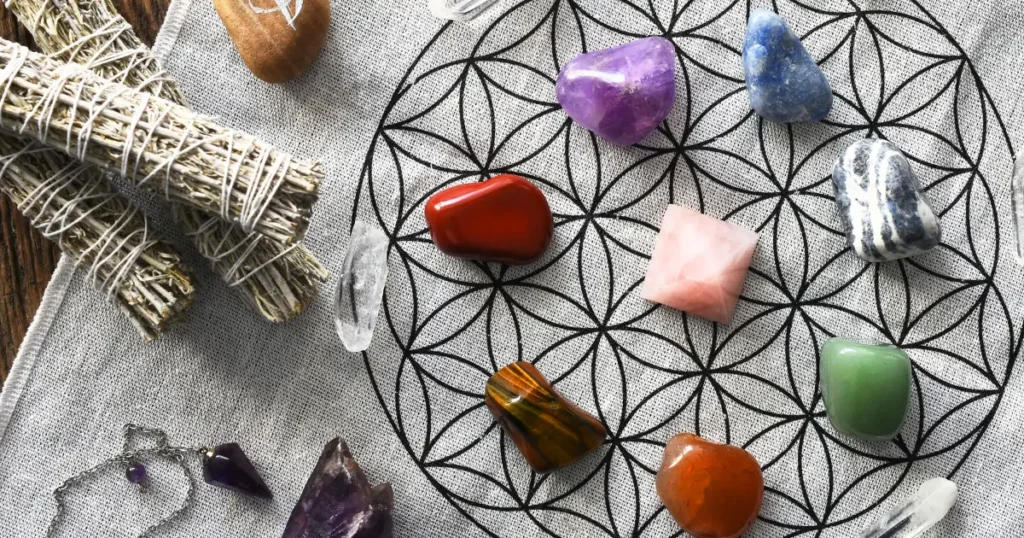
Practitioners use various methods to facilitate chakra healing, such as meditation, visualization, breathwork, sound healing, and the use of crystals. During a chakra healing session, a practitioner may guide the individual through meditation, focusing on each chakra and encouraging the flow of energy. Visualization techniques may involve imagining colors associated with each chakra or envisioning the chakras spinning freely.
In addition, some healers incorporate crystals into their practice, using stones that resonate with the specific frequencies of each chakra. For instance, amethyst is commonly associated with the crown chakra, while carnelian is linked to the sacral chakra. Sound healing techniques, such as singing bowls or tuning forks, can also be employed to create vibrational frequencies that resonate with the energy of each chakra.
Chakra healing encourages self-awareness and personal growth. As individuals work on clearing blockages and restoring balance, they may uncover deeper emotional patterns and traumas that contribute to their struggles. This process often leads to transformational insights and a greater understanding of oneself.
Comparative Effectiveness and Experiences
Both Reiki and chakra healing hold unique benefits, and their effectiveness can vary between individuals. Reiki is often praised for its immediate and calming effects. The essential experience of reiki involves deep relaxation, which helps alleviate stress and anxiety. Many recipients find that reiki sessions are an excellent way to unwind, providing a sense of tranquility that can have lasting effects on their overall well-being.
Clients frequently report feeling lighter and more balanced after a reiki session. The practitioner’s ability to channel energy allows for a holistic approach to healing, which can address a wide range of issues, including chronic pain, insomnia, and emotional distress. The tangible sensations experienced during a reiki treatment, such as warmth or vibrations, can enhance the overall experience and foster a deeper sense of trust in energy healing.
Chakra healing, by contrast, often delves deeper into personal history and emotional patterns tied to each energy center. While chakra healing can also provide immediate relaxation, it encourages individuals to reflect on specific aspects of their lives. Recipients may experience profound emotional releases as they confront and address blocked energy in their chakras. For instance, someone with a blocked heart chakra may find themselves releasing feelings of grief or unworthiness during a healing session.
The effectiveness of chakra healing can lead to significant changes in perspective. Individuals may gain insights into their past relationships or traumas, which can lead to a better understanding of their emotional responses and behaviors. This self-discovery aspect can be transformative, fostering personal growth and empowering individuals to make positive changes in their lives.
When comparing the two modalities, it’s important to note that they can be complementary rather than mutually exclusive. Some individuals choose to incorporate both reiki and chakra healing into their wellness routines. For example, a person may receive reiki sessions for relaxation while also engaging in chakra healing practices to address specific emotional obstacles. This combined approach allows for a more comprehensive exploration of energy healing, providing diverse tools for personal growth and self-care.
Ultimately, the choice between reiki and chakra healing may depend on individual preferences and needs. Those seeking immediate stress relief may lean towards Reiki, while those looking for deeper emotional and spiritual work may gravitate towards chakra healing. By exploring both modalities, individuals can cultivate a holistic approach to wellness that resonates with their unique healing journey.
Similarities and Differences in Philosophy
Reiki and chakra healing share a fundamental belief in the existence of energy within the body, yet they differ significantly in their philosophies and approaches to healing. Both practices are rooted in the concept of balancing and harmonizing energy to promote health and well-being. However, reiki emphasizes the role of a practitioner in channeling universal energy, while chakra healing places the responsibility for balance on the individual’s energy centers.
Reiki practitioners focus on connecting with universal life force energy and delivering it to the recipient. They believe that everyone has the ability to heal and that the practitioner’s role is to facilitate this process. The emphasis is primarily on the external channeling of energy and the practitioner’s ability to connect with and direct that energy toward the recipient.
In contrast, chakra healing emphasizes self-awareness and personal responsibility in the healing process. Practitioners guide individuals to explore their chakras and facilitate self-discovery. Each chakra governs distinct life aspects, and an individual’s alignment with these energy centers is paramount. Chakra healing encourages individuals to take an active role in their healing by recognizing and addressing imbalances in their energy systems.
Additionally, reiki promotes a broader view of energy, encompassing emotional, physical, and spiritual dimensions, while chakra healing is more specific to the energetic characteristics of the individual chakras. Each chakra has its unique attributes and influences on well-being, and chakra healing practitioners often require an in-depth understanding of these connections.
Practical Applications in Everyday Life
Both reiki and chakra healing can be integrated into daily routines to enhance well-being and personal growth. Individuals interested in reiki may consider taking classes to learn the practice themselves, enabling them to perform reiki on themselves and loved ones. Self-reiki practices involve setting an intention, finding a quiet space, and using hand positions or symbols learned during training to channel energy. Regular self-reiki sessions can be an excellent way to maintain energy balance and encourage relaxation amidst life’s challenges.
On the other hand, chakra healing can also be integrated into daily life through practices such as meditation and mindfulness. Individuals can regularly check in with their chakras, assessing their energy flow and identifying imbalances. Simple practices like breathwork and visualization can help clear blocked energy and restore balance. For instance, during meditation, one can visualize each chakra as a spinning wheel of light, gradually clearing away any dark or stagnant energy.
Many people find that combining practices offers synergistic benefits. For example, after a reiki session, individuals may engage in chakra meditation to reinforce the healing they received. This approach helps to further integrate the energy work and promotes sustained well-being.
Choosing the Right Path for Healing
Selecting between reiki and chakra healing ultimately comes down to individual preferences, intentions, and experiences. It’s important to consider what resonates with you the most. Individuals who prefer a more hands-on approach and immediate relaxation may find reiki to be their preferred modality. The gentle touch and channeling of energy can be incredibly soothing, particularly for those dealing with stress, physical pain, or emotional turmoil.
Conversely, individuals seeking to explore their emotional patterns and engage in deeper self-discovery may feel drawn to chakra healing. The practice invites introspection and encourages individuals to examine their thoughts and feelings related to each chakra. This process can lead to transformative insights and a stronger connection to one’s self.
It is also worth noting that many practitioners offer integrated services that combine both reiki and chakra healing. This holistic approach allows individuals to benefit from the strengths of each modality, creating a comprehensive and personalized healing experience. Regardless of the path chosen, both reiki and chakra healing have the potential to enhance one’s overall well-being and promote a deeper understanding of the self.
With the increasing interest in holistic and alternative healing methods, both reiki and chakra healing continue to gain popularity, offering versatile options for individuals seeking balance, healing, and personal growth. As each person’s journey is unique, exploring both modalities may lead to the discovery of what resonates most profoundly on an individual level. The journey towards healing is often a personal and transformative experience, making it essential to find the right fit for one’s needs.

Takeaway
In summary, both reiki and chakra healing present unique yet complementary approaches to energy healing, each with its distinct philosophies, techniques, and benefits. Reiki emphasizes the channeling of universal life force energy through practitioners, offering immediate relaxation and relief from stress, pain, and emotional distress. Its hands-on approach allows individuals to feel a deep connection to the energetic flow, leading to profound experiences of healing and well-being.
On the other hand, chakra healing invites individuals to explore the intricacies of their energy centers, promoting self-awareness and personal growth. By focusing on the seven chakras, this practice encourages individuals to confront and address emotional blockages, fostering a deeper understanding of oneself and the interconnectedness of mind, body, and spirit. The emphasis on balance and personal responsibility in chakra healing empowers individuals to take an active role in their healing journey.
Ultimately, the choice between reiki and chakra healing depends on individual preferences, experiences, and healing goals. Many people find that integrating both practices into their wellness routines enhances their overall well-being and provides a comprehensive approach to personal growth. Whether one seeks immediate relief through reiki or aims to dive deeper into their emotional landscape with chakra healing, both modalities offer valuable tools for achieving balance, harmony, and fulfillment in life. Embracing these practices can lead to transformative experiences, promoting not only physical healing but also emotional and spiritual enlightenment on the path to holistic well-being.
[/et_pb_text][/et_pb_column][/et_pb_row][/et_pb_section